As an Amazon Associate, we earn from qualifying purchases. Some links may be affiliate links at no extra cost to you. Although our opinions are based on curated research, we haven't used these products. Articles generated with AI.

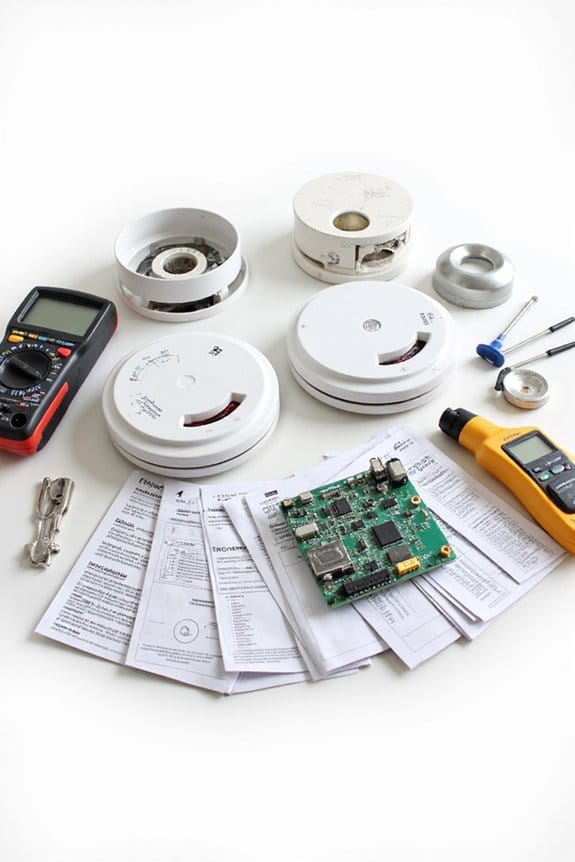
Photoelectric Vs Ionization Smoke Detectors?

When it comes to smoke detectors, I find the choice between photoelectric and ionization models interesting. Here’s a quick rundown: 1) Ionization detectors are great for flaming fires, but they might give false alarms from cooking. 2) Photoelectric ones excel at detecting smoldering fires and reduce those pesky false alarms. I recommend using both for thorough coverage—it’s a smart combo! Curious about installation tips and more details? There’s plenty to think about!
Key Takeaways
- Photoelectric smoke detectors excel at detecting slow-smoldering fires and produce fewer false alarms from cooking or steam.
- Ionization smoke detectors are more effective for fast-flaming fires but are prone to false alarms.
- Using both types of detectors provides comprehensive coverage for all fire scenarios, ensuring maximum safety.
- Install detectors in every bedroom and on each level of the home, keeping them away from kitchens and bathrooms.
- Regular maintenance, including testing and cleaning, is essential for optimal detector performance and safety.
Understanding Smoke Detector Technologies
You may be interested



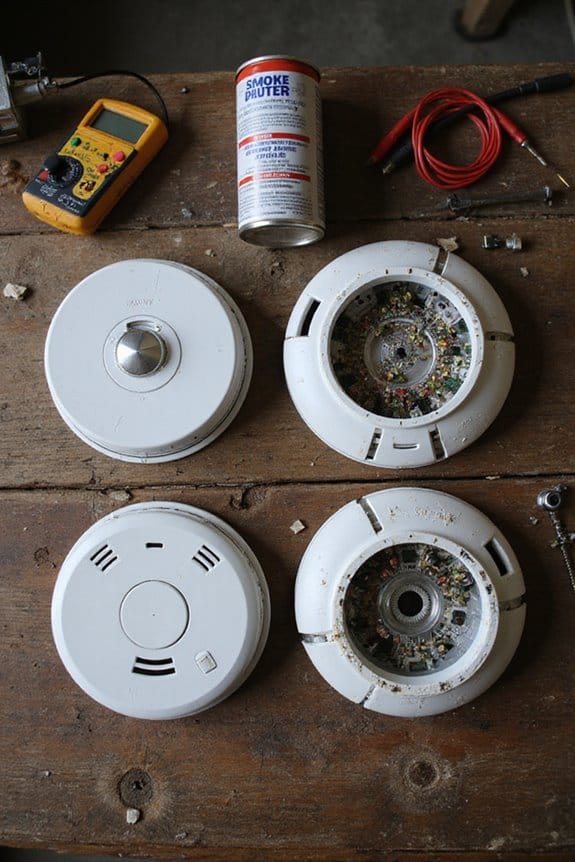
When you think about smoke detectors, it’s easy to assume they all work the same way, but that’s far from the truth. There are two main detection mechanisms:
- Ionization Smoke Detectors: These use a tiny bit of radioactive material to ionize air. They detect smoke by changes in electrical conductivity. However, they’re often more prone to false alarms from cooking fumes or steam—talk about annoying!
- Photoelectric Smoke Detectors: These rely on light scattering caused by larger smoke particles. They’re generally better at resisting environmental interference, which means fewer false alarms. Additionally, photoelectric sensors excel at detecting slow-smoldering fires, reducing nuisance alarms.
Understanding these differences can help you choose the right detector for your home. Trust me, knowing these details could save you from unnecessary wake-up calls in the middle of the night!
Recommended Products

UL 217 10th Ed. Certified & Red Dot Awarded — Meets the UL 217 10th Edition safety standard – the newest and most rigorous smoke alarm requirement in North America. Its compact, low profile, micro purpose-built design earned the Red Dot Design Award in Germany, combining dependable protection with a clean, modern look that fits seamlessly into today’s homes.

SMOKE DETECTION: Model 10SDR detects smoke with over 25% faster smoke detection*; sounds a loud 85-decibel alarm with red LED light for clear visual warnings; compact design suitable for homes

SMOKE DETECTION: Model 20SD10 detects smoke over 25% faster*; sounds a loud 85-decibel alarm with red LED light for clear visual warnings; suitable for homes
Fire Type Sensitivity and Response
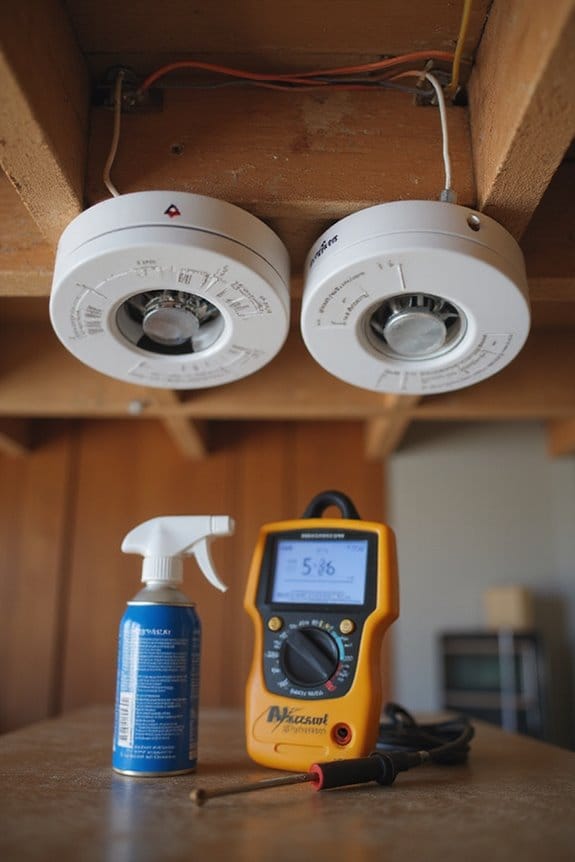
Understanding fire type sensitivity in smoke detectors is essential if you want to guarantee your home is well-protected. Here’s the scoop:
- Ionization Smoke Detectors: They’re champs at detecting flaming fires, like burning paper. They respond quickly, but they might miss smoldering fires.
- Photoelectric Smoke Detectors: These guys are better with smoldering fires, catching larger smoke particles from burning plastics or electronics. They can alert you 15 to 50 minutes earlier!
- Complementary Performance: Using both types can cover all bases. Ionization detectors react fast to flames, while photoelectric models excel in smoke-heavy situations. Additionally, complementary use of both detector types provides comprehensive fire safety for your home.
Choosing the right detector based on fire behavior can greatly enhance your home’s safety. Trust me, it’s worth the effort to understand these nuances!
Recommended Products

【10-Year Sealed Battery & Hassle-Free Cost Savings】Stop wasting money on annual replacements and hardwiring costs. This premium 10 year battery smoke detector features a long-lasting lithium supply for continuous 24/7 safety monitoring. Specially built for a busy landlord or homeowner, this smoke detector 10 year sealed battery powered device delivers dependable, budget-friendly defense that saves massive cash over a decade.

First Alert's Precision Detection advanced sensing technology complies with new industry standards to reduce cooking nuisance alarms and provides early warning in the event of a home fire emergency

First Alert's Precision Detection advanced sensing technology complies with new industry standards to reduce cooking nuisance alarms and provides early warning in the event of a home fire emergency.
Installation Recommendations for Home Safety
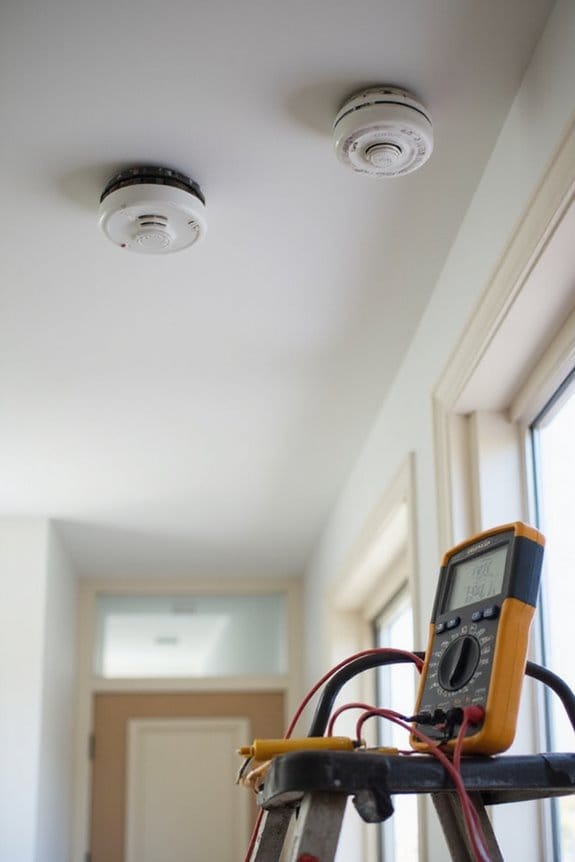
To guarantee your home is as safe as possible, it’s essential to install smoke detectors correctly. Here are a few tips:
- Installation Locations: Place detectors inside each bedroom, outside sleeping areas, and on every level of your home, including the basement.
- Height Matters: Mount them on ceilings or within 12 inches of the ceiling on walls. Just remember—smoke rises!
- Avoid Interference: Steer clear of kitchens and bathrooms where steam and cooking fumes might lead to false alarms.
- Maintenance Protocols: Test your detectors monthly, and clean them regularly to keep dust at bay. Don’t forget to replace them every ten years for peak performance!
Following these recommendations will help keep your home safe and sound!
Recommended Products

First Alert's Precision Detection advanced sensing technology complies with new industry standards to reduce cooking nuisance alarms and provides early warning in the event of a home fire emergency

【Advanced Photoelectric,Reduce False】Alarms Equipped with high-sensitivity photoelectric smoke sensor, this electric smoke alarm responds in 1 second and delivers 5x higher accuracy than traditional detectors. It effectively identifies slow smoldering fires and combustion particles, greatly minimizing false alarms from cooking and daily interference. Real-time monitoring provides reliable home fire safety protection for kitchen, living room and whole-house use.
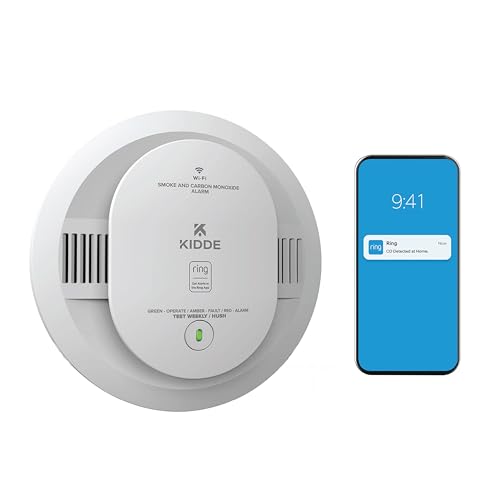
Double the Detection: Alerts you to both smoke and carbon monoxide (CO)
Advantages and Disadvantages of Each Type
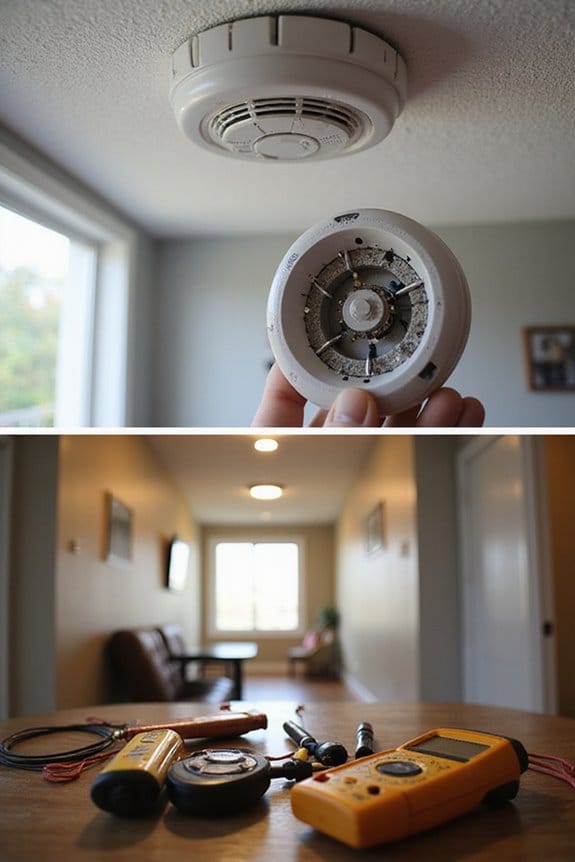
Choosing the right smoke detector can feel a bit overwhelming, especially with the two main types—photoelectric and ionization—each boasting their own strengths and weaknesses.
- Photoelectric Benefits: They excel at detecting smoldering fires, especially in larger spaces. They reduce false alarms from cooking, which is a lifesaver in the kitchen. Additionally, photoelectric sensors provide timely notifications, enhancing overall safety in residential settings.
- Ionization Drawbacks: While great for fast-flaming fires, they can be overly sensitive, leading to annoying false alarms. Plus, they may not catch those sneaky smoldering fires that can be dangerous.
In essence, if you want to avoid those pesky alarms while being safe from slow-burning fires, photoelectric detectors are your best bet. But don’t overlook ionization detectors—they have their own perks for rapid flames!
Recommended Products

Please Note: The SC07 is a basic standalone unit. It does not support wireless interconnection, Wi-Fi, or base station connection; for wireless interconnection, search for SC07-W

【10-Year Product Life】The smoke detector has 1-year 9V battery backup. This smoke alarm can be used for ten years with continuous battery replacement. Working smoke detector cut the risk of dying in a home fire by 50% while a home fire starts every 83 seconds! The faster you realize a fire warning, the more time to escape from the fire

【10-Year Product Life】The smoke detector has 1-year 9V battery. This smoke alarm can be used for ten years with continuous battery replacement. Working smoke detector cut the risk of dying in a home fire by 50% while a home fire starts every 83 seconds! The faster you realize a fire warning, the more time to escape from the fire
Regulatory Standards and Safety Recommendations
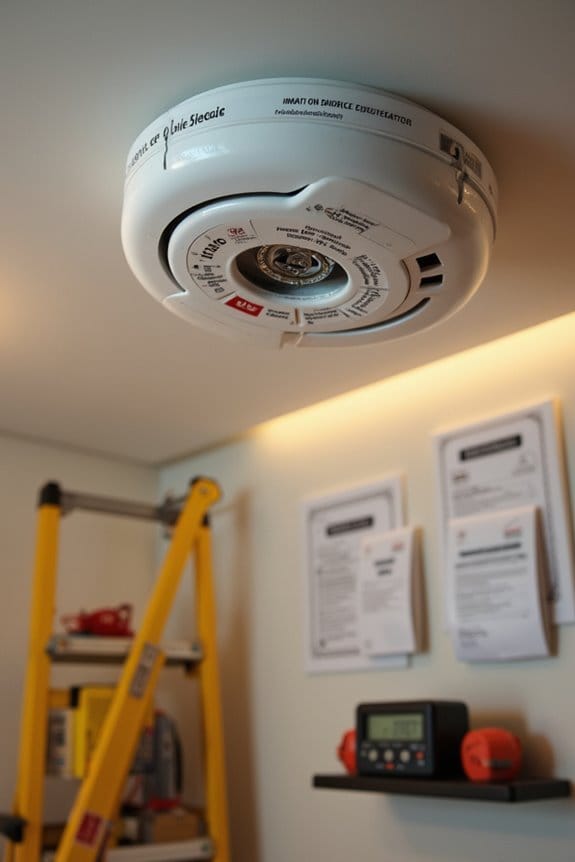
While it might seem like a small detail, knowing the regulatory standards and safety recommendations for smoke detectors can make a big difference in fire safety. Here’s what I’ve learned:
- NFPA 72 Guidelines: This standard outlines where smoke detectors should be installed—like inside sleeping areas and on every floor.
- UL Compliance: Smoke detectors need to meet UL 217 or UL 268 standards to guarantee reliable performance and minimize pesky nuisance alarms.
- Installation Tips: Keep alarms within 12 inches of the ceiling and at least 10 feet from cooking appliances unless they’re specially certified.
- Combination Use: For maximum safety, use both photoelectric and ionization detectors.
Regular testing and maintenance? Absolutely essential! After all, it’s about keeping you safe.
Frequently Asked Questions
How Long Do Smoke Detectors Typically Last Before Needing Replacement?
Did you know smoke detectors usually last between 8 to 10 years? I always stick to this replacement timeline, ensuring my detector lifespan doesn’t drop, as outdated alarms can compromise safety when it matters most.
Can I Use Both Types of Smoke Detectors Together?
Absolutely, using both types together offers great combination benefits. For installation tips, I recommend placing them on each level and in bedrooms. This way, you maximize fire safety and guarantee extensive coverage for various fire scenarios.
Are Smoke Detectors Required in Commercial Buildings?
Oh sure, let’s just skip smoke detectors in commercial buildings! Who needs fire safety compliance, right? But seriously, commercial building regulations mandate them, ensuring safety and avoiding fines—so it’s best to keep those detectors handy!
How Often Should I Test My Smoke Detectors?
I recommend testing my smoke detectors monthly for operational status. For smoke detector maintenance, sensitivity testing should occur annually, with visual inspections done more often. Keeping track of testing frequency helps guarantee safety and compliance.
What Should I Do if My Smoke Detector Goes Off?
When my smoke detector screams like a banshee, I follow emergency procedures: check for fire, ventilate, hush if needed. Calmly gathering everyone’s attention is key—because, let’s face it, chaos isn’t an ideal alarm response!