As an Amazon Associate, we earn from qualifying purchases. Some links may be affiliate links at no extra cost to you. Although our opinions are based on curated research, we haven't used these products. Articles generated with AI.

How Long Do Fire Extinguishers Last?

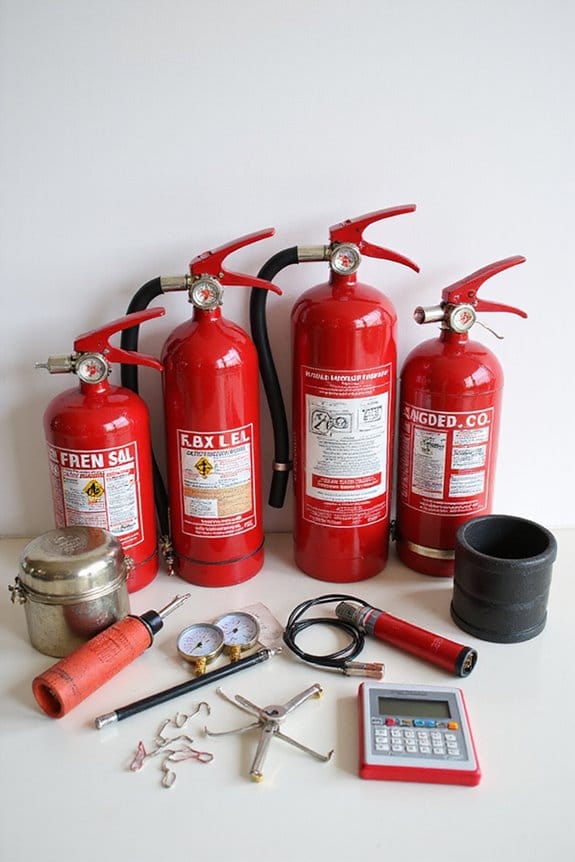
Fire extinguishers generally last between 10 to 12 years with proper care. So, if you’ve got a disposable one, it’s time to replace it after that. Rechargeable models can stick around a bit longer, but they need regular servicing. Do monthly checks to verify they’re accessible and functioning. Signs it might be time for an upgrade? Dents, a gauge in the red, or rust. Let’s make certain you’re safe and prepared! You’ll find more helpful tips ahead.
Key Takeaways
- Most fire extinguishers last about 10-12 years with proper maintenance; disposable types need replacing after this period.
- Rechargeable extinguishers can last longer than 12 years if regularly serviced and maintained.
- CO2 extinguishers have a lifespan of 10-15 years but require testing every 5 years.
- Environmental factors like heat and humidity can negatively impact the lifespan of fire extinguishers.
- Regular inspections and documentation are essential to ensure the extinguishers remain functional and safe.
Understanding Fire Extinguisher Lifespan
You may be interested

When it comes to understanding fire extinguisher lifespan, you might wonder how long these lifesavers really last. Generally, most fire extinguishers, whether they’re powder, foam, or water types, last about 10 to 12 years if properly maintained. That’s a decent run, right?
Here are some important lifespan considerations:
- Type Matters: Disposable extinguishers need replacing after 10-12 years, while rechargeable ones can last longer with regular servicing.
- Check-Up Time: Regular inspections are essential to keep them functional.
- Environmental Impact: Heat and humidity can mess with their lifespan, especially in commercial settings.
Types of Fire Extinguishers and Their Longevity
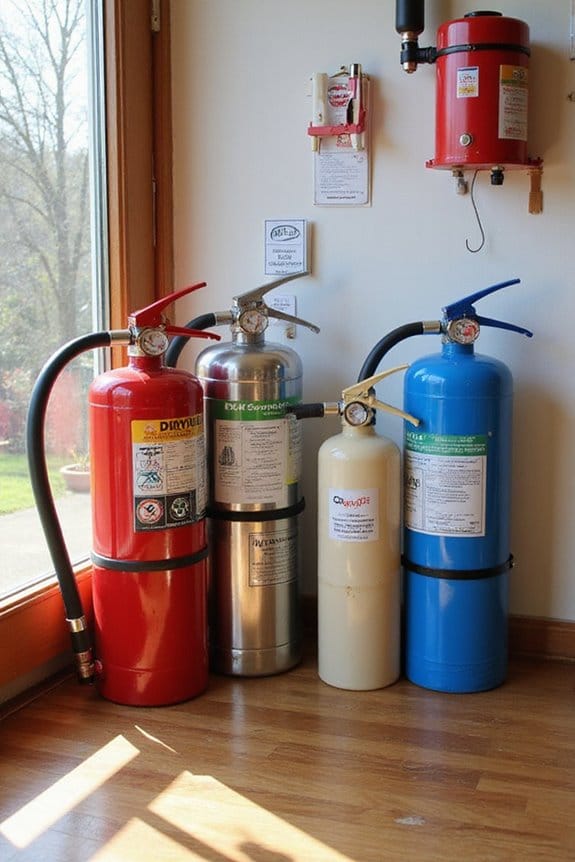
Understanding the lifespan of fire extinguishers is just the beginning; knowing the types and their longevity really rounds out your knowledge. Here’s a quick rundown of fire extinguisher types and their longevity differences:
- Water Extinguishers: Best for Class A fires, they last about 10-12 years. Just watch out for freezing temperatures!
- Dry Chemical Extinguishers: These are common for A, B, and C fires. Disposable models last 10-12 years, while rechargeable ones need recharging every 6 years.
- CO2 Extinguishers: Great for electrical fires, lasting 10-15 years with testing every 5 years.
- Foam Extinguishers: Effective for A and B fires, they also last around 10-12 years but need regular maintenance.
- Clean Agent Extinguishers: They can exceed 10 years with proper care.
Keep these in mind to stay prepared!
Recommended Products
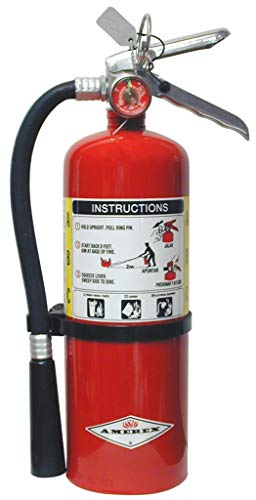
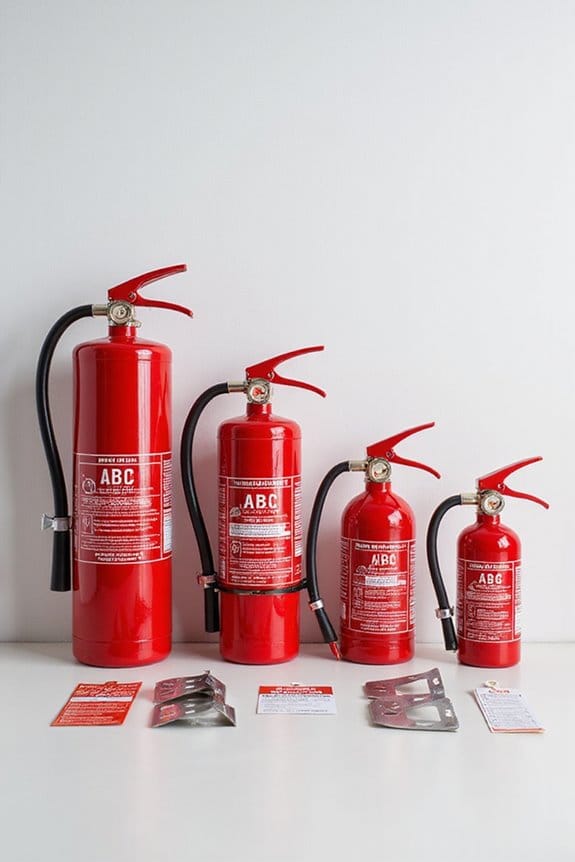
MULTI-CLASS ABC PROTECTION: UL and ULC rated 2A:10B:C, so one extinguisher covers Class A wood, paper and trash fires, Class B gasoline, oil and grease fires, and Class C live electrical equipment fires - the three kinds most likely to start at home.

The First Alert PRO10 Fire Extinguisher is UL rated 4-A:60-B:C; it features durable all-metal construction with a commercial-grade metal valve and head

Reliable Fire Protection: Stop basic home fires involving trash, wood, paper, liquids, gases, and electrical equipment
Maintenance and Testing Requirements
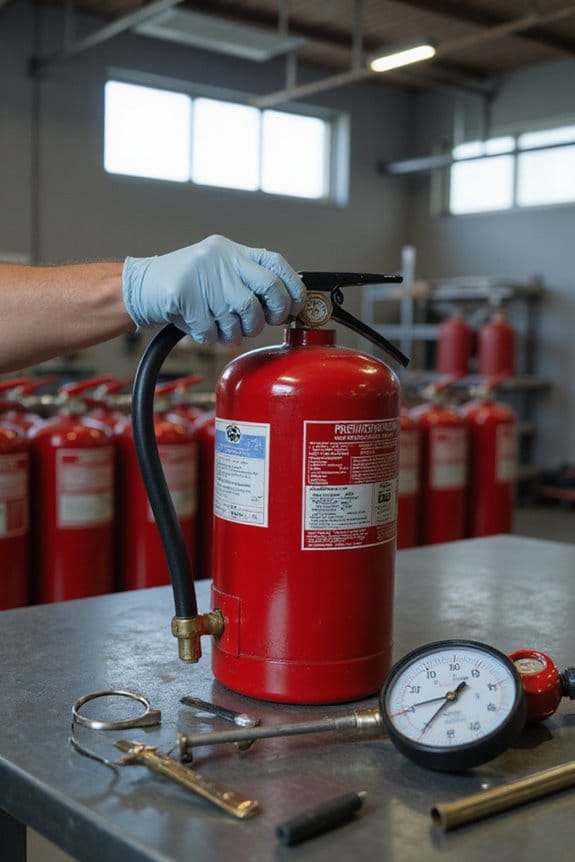
To keep your fire extinguishers in top shape, regular maintenance and testing are essential—especially since you want them to work when you really need them! Here’s a quick rundown:
- Monthly Inspections: Check at least once every 30 days. Verify their presence, accessibility, and condition. Look at the pressure gauge and guarantee the pin’s intact.
- Annual Maintenance: Get a certified inspector to perform a thorough check each year. This includes examining mechanical parts and recharging stored pressure extinguishers.
- Recordkeeping: Don’t forget to document everything! Keep records of inspections and maintenance for at least a year.
Recommended Products

【Value package】the package includes 160 fire extinguisher tags and 160 pieces of red adjustable zip ties measuring 6 inch in length to hang tags, sufficient quantity for your use and replacement

【Package contents】: the package includes 50 pieces of rectangular fire extinguisher tags, measuring 4.2 x 2.1 inch to record monthly inspections, and 50 pieces of red adjustable zip ties measuring 6 inch in length to hang tags, sufficient quantity for your use and replacement

Thin and flexible 10-mil poly-based material contains No wood-based, paper content, and is more durable than traditional Cardstock
Identification and Expiration Markings
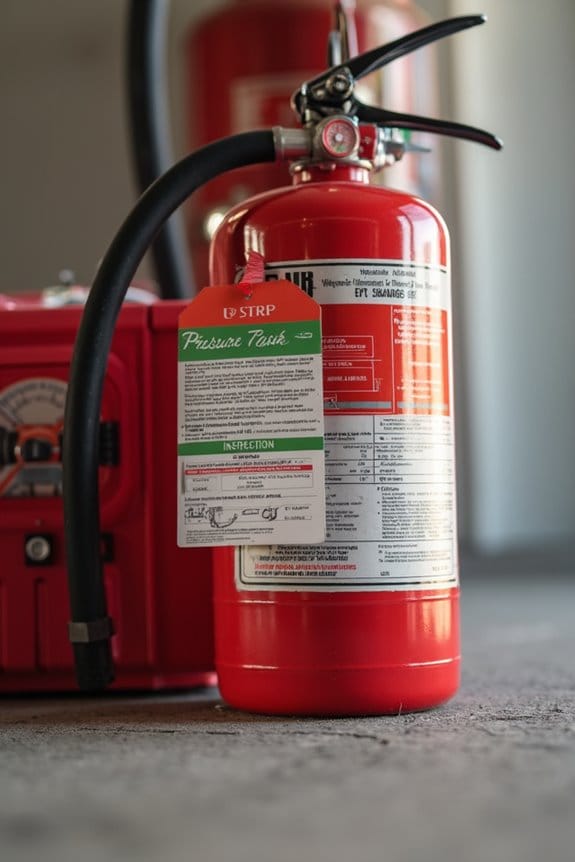
Fire extinguishers, those unsung heroes of safety, need clear identification and expiration markings to guarantee they’re ready when you need them most. Here’s how to find them:
- Expiration Markings: Check the tag for a date—often punched in a year and month format. Remember, this date usually indicates when it’s time to replace or refill your extinguisher.
- Identification Stamps: Look for manufacturing dates stamped directly on the cylinder or printed on the label. Sometimes, these markings hide under plastic parts, so don’t be shy about checking!
- Tags Matter: Keep those tags intact! They hold essential info like serial numbers and service dates.
Recommended Products
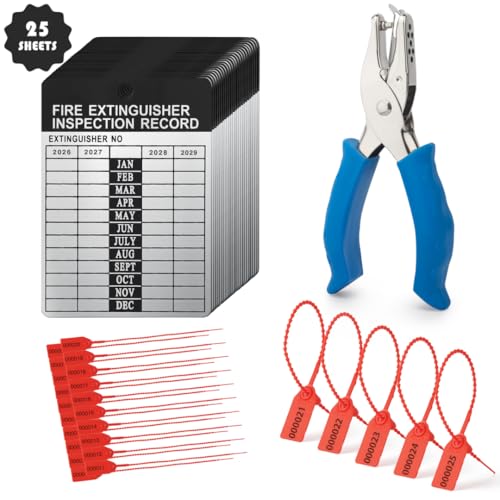
Important Note & Package Contents: The product surface is covered with a protective film. Please remove the film before use to ensure clear writing. Package includes: 25 aluminum fire extinguisher inspection tags, 25 numbered security zip ties, and 1 handheld hole puncher.
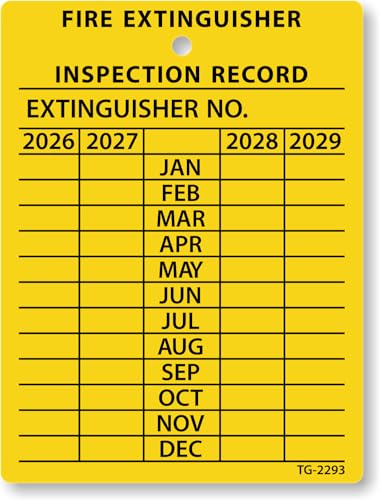
HEAVY-DUTY POLYETHYLENE: Yellow fire extinguisher tags for monthly inspection are made from a 16-mil thick HDPE material that resists weather and tearing. Signs withstand moisture, and dirt and can be used inside or outdoors.

Quantity and Size: each pack includes 100 pcs fire extinguisher monthly inspection tags, measuring 2 1/4" x 3", good for labeling standard fire extinguishers, fire hoses, and other equipment that require monthly inspections; Nice size for clear, visible inspection records
Factors Affecting Fire Extinguisher Lifespan
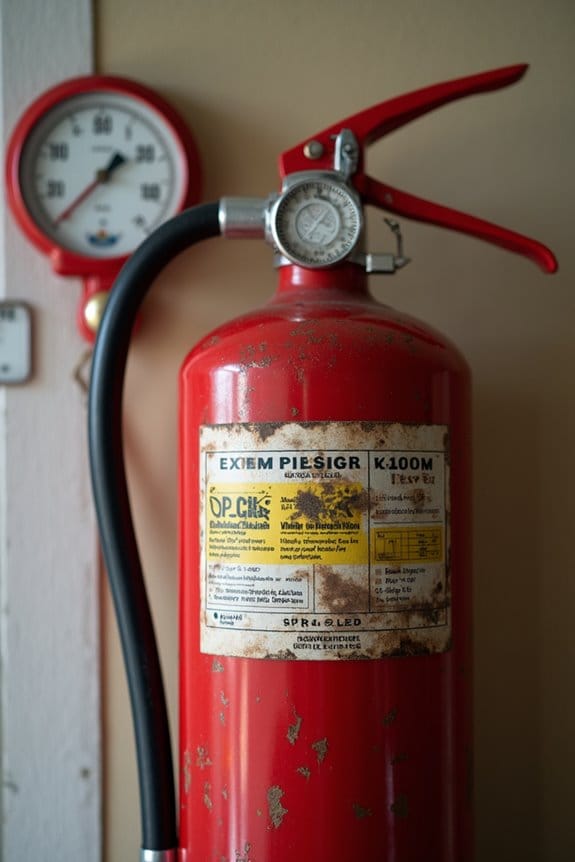
When it comes to fire extinguishers, knowing their lifespan is just as important as identifying their expiration dates. Several factors can affect how long they last:
- Environmental Impact: Extreme temperatures and high humidity can cause physical deterioration. Direct sunlight weakens seals, while dust can clog nozzles.
- Physical Damage: Dents, punctures, or missing gauges can lead to pressure loss. Mishandling during transport can also cause unseen damage.
- Maintenance: Regular inspections are essential. Rechargeable extinguishers need servicing every six years. Skipping these can sneakily shorten their lifespan.
- Storage Practices: Keeping extinguishers in proper locations protects them from accidental damage and environmental hazards.
Regulatory and Safety Standards
While you might think that simply having a fire extinguisher is enough, understanding the regulatory and safety standards surrounding them is essential for guaranteeing your safety. Here are a few key points to keep in mind:
- NFPA 10 Compliance: This standard dictates that extinguishers need regular inspections and maintenance. Rechargeables must be recharged every six years, while disposables should be replaced every twelve years.
- Manufacturer Guidelines: Always check the manufacturer’s instructions. Following these guarantees regulatory compliance and keeps your extinguisher functional.
- Safety Inspections: Local authorities may have additional rules. Failing to comply can lead to fines during safety inspections—yikes!
Signs That Indicate Replacement Is Needed
Understanding the signs that indicate it’s time to replace a fire extinguisher can save you from a potentially dangerous situation. Here are a few key indicators:
- Physical Damage: Look for dents, cracks, or leaks. Rust or corrosion on the canister can mean it’s compromised. If the hose or nozzle is damaged, it might not work when you need it.
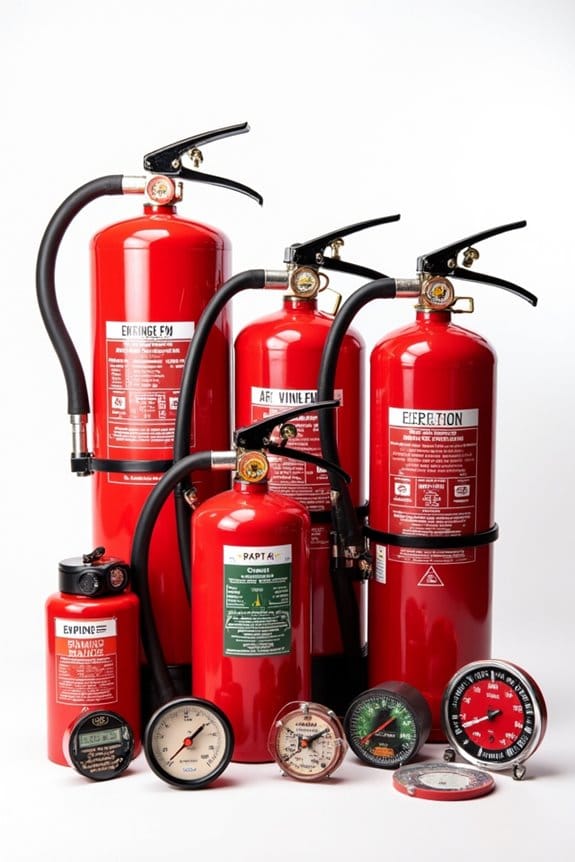
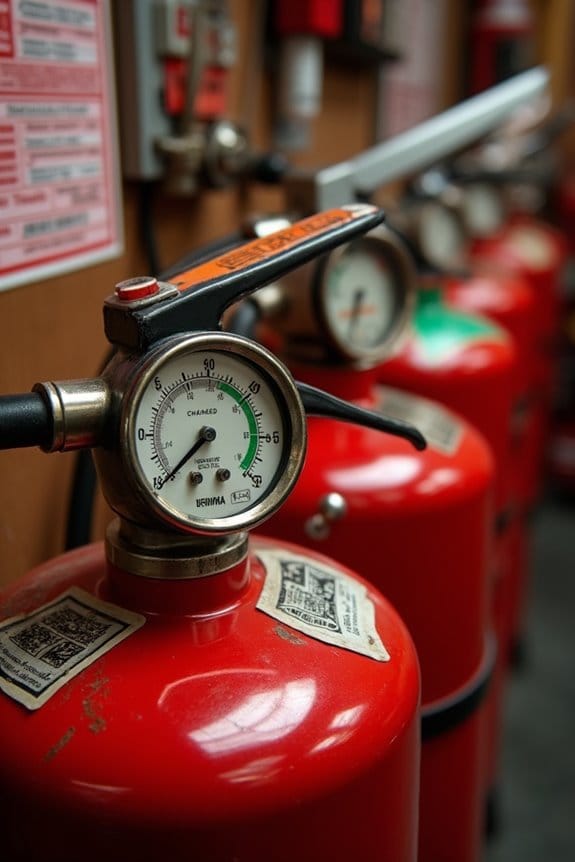
- Pressure Gauge: Check the pressure gauge regularly. If the needle’s outside the green zone or stuck in the red zone, it’s time for a replacement.
- Expired Service Life: Most extinguishers last 5 to 15 years. If your extinguisher is past its expiration date, it’s better to replace it.
Trust me; staying vigilant can save lives, including yours!
Recommended Products

Pack Contents and Specifications: Includes 100 plastic seals with dimensions of 250 mm (10 inches) in length. The locking length can be adjusted with a maximum strapping circumference of less than 18cm. You can use the blank spaces to add your own date stamps, barcodes, standard text, logos, and serial numbers
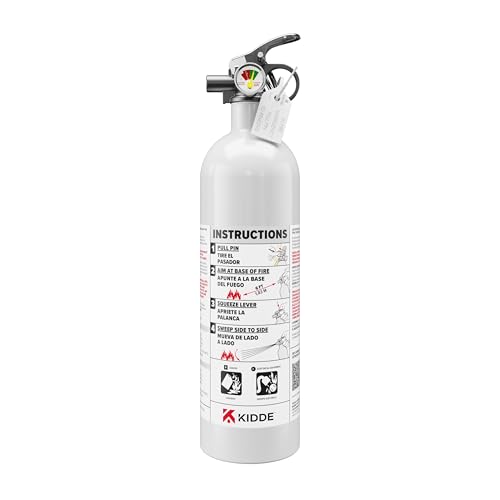
Combats Marine Fires: Stop basic fires common to boats: flammable liquids and gases (Class B) & electrical equipment (Class C)

Construction: Crafted from premium iron these fire extinguisher pin offer exceptional durability and wear resistance ensuring term reliability in emergency situations
Importance of Regular Inspections
Regular inspections of fire extinguishers are essential, not just a box to check off your safety list. Here’s why you should prioritize them:
- Inspection Frequency: You need to visually inspect extinguishers monthly and have a certified technician conduct an annual check. Trust me, it’s worth it!
- Inspection Benefits: Regular inspections can spot early signs of damage, ensuring your equipment is ready in an emergency. Plus, it helps you stay compliant with safety regulations, reducing liability risks.
- Prolong Service Life: Timely maintenance and repairs can extend the life of your extinguishers. Think of it as giving your fire safety equipment a little TLC!
Best Practices for Fire Extinguisher Care
Taking care of your fire extinguishers is just as important as inspecting them regularly. Here are some best practices I recommend:
- Fire Extinguisher Storage: Keep them in accessible spots, mounted securely, and away from extreme temperatures or moisture.
- Periodic Inspections: Check the pin, hose, and cylinder for any signs of damage. Don’t forget to tip it upside down occasionally!
- Usage Training: Make sure everyone knows the PASS method—Pull, Aim, Squeeze, Sweep. It’s simple and effective.
- Professional Maintenance: Schedule annual check-ups with a certified technician, especially after any use.
- Document Everything: Keep a record of inspections and maintenance for compliance.
Following these tips will help keep your fire extinguishers ready when you need them most!
Recommended Products

Quality Material: Heavy-duty steel construction with screw, gaskets & anchors makes this fire extinguisher bracket corrosion-resistant, while the strong fire extinguisher hooks for wall keep your safety gear firmly in place

CUSTOM-FIT FOR 2.5LB EXTINGUISHERS:Specifically engineered for 2.5LB fire extinguishers, the Suntree fire extinguisher mount features a precise tray diameter of 3.4 inches (8.6cm). This compact design ensures a snug, secure fit for smaller cylinders, making it the ideal space-saving solution for vehicles, RVs, and tight spaces where standard mounts are too bulky
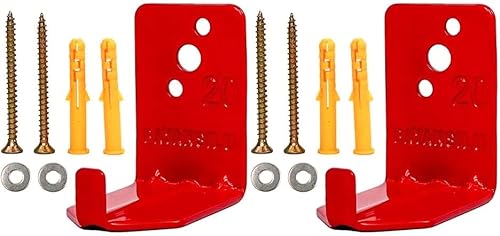
🚒 Fire extinguisher with Wall bracket, Very Strong Hanger for Fire extinguisher , Wall Hooks are Designed as a Universal Hook for the 15 to 40 lbs Fire Extinguisher Heavy Duty and High Quality.
Frequently Asked Questions
Can I Use a Fire Extinguisher After Its Expiration Date?
I wouldn’t recommend using a fire extinguisher after its expiration date. For fire safety, proper extinguisher maintenance is essential; expired units might fail when you need them most. Always prioritize your safety and check regularly!
How Do I Properly Dispose of an Old Fire Extinguisher?
You’d think tossing an old fire extinguisher is easy, right? But it’s not! I always check local regulations and explore recycling options—fire departments often help, ensuring safe, eco-friendly disposal. Trust me, it’s worth it!
Are Fire Extinguishers Refillable After Use?
Yes, fire extinguishers can be refillable after use. I always check the refilling process and verify proper fire extinguisher maintenance. Regularly servicing them guarantees they’re ready when I need them most.
Can I Test My Own Fire Extinguisher at Home?
You can’t judge a book by its cover, and testing your fire extinguisher at home isn’t a full-proof approach. Stick to visual inspections for fire safety; leave the detailed checks to professionals during home inspections.
What Should I Do if My Fire Extinguisher Is Damaged?
If I find a damaged extinguisher during inspection, I immediately remove it from service. I follow the replacement process by reporting it and arranging for professional servicing or replacement to guarantee safety.