As an Amazon Associate, we earn from qualifying purchases. Some links may be affiliate links at no extra cost to you. Although our opinions are based on curated research, we haven't used these products. Articles generated with AI.

How To Create Home Maintenance Schedule?

Creating a home maintenance schedule isn’t rocket science. First, I identify key areas needing attention, like roofs and plumbing. Next, I break tasks down by how often they need doing—weekly, monthly, or annually. Using checklists helps keep me organized and on track. I also assign responsibilities and set a budget for supplies. Finally, I monitor my progress with digital tools to guarantee nothing slips through the cracks. Stick around, and I’ll share more tips!
Key Takeaways
- Identify key maintenance areas such as roofing, plumbing, and gutters to prioritize tasks effectively.
- Break down tasks by frequency, assigning weekly, monthly, quarterly, semi-annual, and annual responsibilities.
- Use checklists and templates, including printable PDFs and digital calendars, to track maintenance tasks and deadlines.
- Allocate a budget for ongoing maintenance using the 1% Rule and set aside an emergency fund for unexpected repairs.
- Monitor progress regularly with logs and digital tools, reviewing completion rates to ensure accountability and adjust schedules as needed.
Identify Key Maintenance Areas
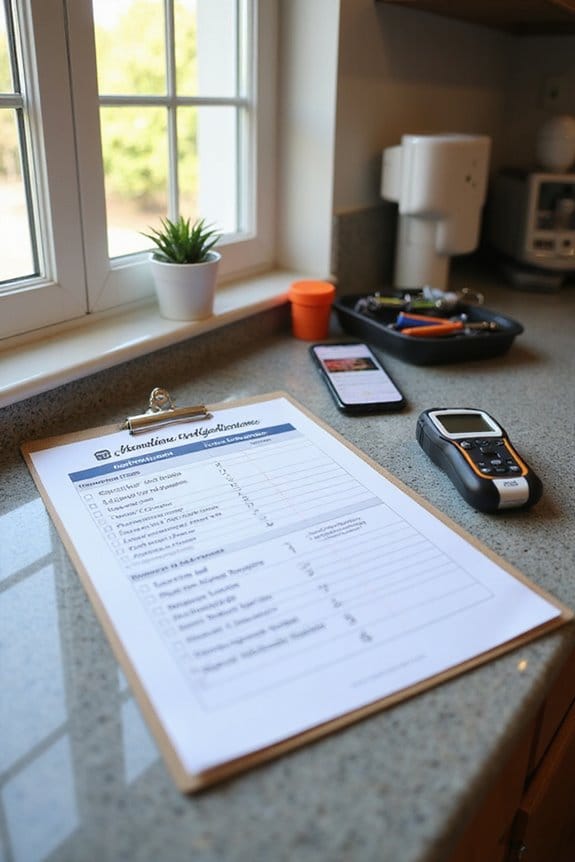
You may be interested

When it comes to home maintenance, I find that identifying key areas to focus on is essential for keeping everything running smoothly. Here are a few key areas I always prioritize:
- Roof Inspection: Regularly check for curling or cracked shingles. Missing pieces can lead to leaks, and nobody wants that!
- Gutters and Downspouts: Make sure they’re clear of blockages to allow proper drainage. Trust me, it’s a lot easier to clean them than to deal with water damage later.
- Plumbing Maintenance: Don’t forget to inspect under-sink plumbing for leaks and clogs. A small leak can escalate fast. Installing an automatic water shut-off valve can help prevent costly water damage.
- Foundation and Siding: Look for cracks and gaps that could let in moisture or pests. It’s like giving your home a health check-up!
Recommended Products

COMMERCIAL CROWBAR: Replace old and worn-out composition roofing shingles in no time with our practical pry tool. Our roof snake makes removing and applying new shingles more accurate, efficient, and safer than traditional replacement methods.

4-Count Package

WATERPROOF ROOFING & TAPE: This professional-grade waterproof aluminum butyl tape instantly stops roofing leaks with a permanent, airtight, and watertight seal. An impenetrable moisture barrier against water, snow, and humidity, making it the perfect emergency fix for metal roofs, gutters, RVs, and pipes.
Break Down by Frequency
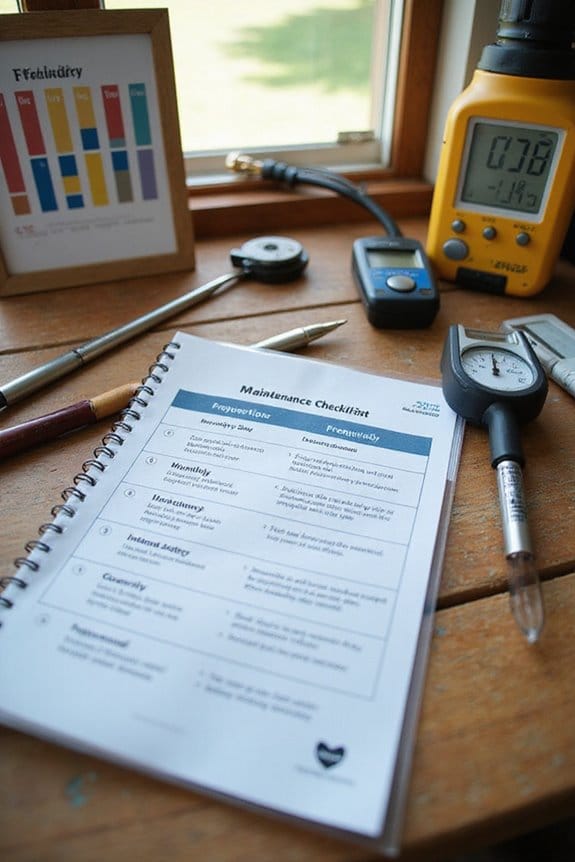
To keep your home in tip-top shape, breaking down maintenance tasks by frequency can really help you stay organized. Here’s how I do it:
- Weekly Tasks: Clean kitchen surfaces, vacuum, and inspect for leaks. Don’t forget to check smoke detectors—those little buttons are your friends!
- Monthly Tasks: Replace HVAC filters and clean kitchen exhaust filters. Also, test smoke and carbon monoxide detectors.
- Quarterly: Service your HVAC system and inspect ceiling fans.
- Semi-Annual: Clean gutters and winterize outdoor faucets—trust me, you don’t want a frozen pipe!
- Annual: Inspect your roof and power wash exterior surfaces. Consider flood alarms for early detection of potential leaks to prevent costly repairs.
Recommended Products

Please Note: SC01 is a basic standalone unit; it does not support wireless interconnection, does not have Wi-Fi, and cannot be used with a base station; for interconnection, search for SC01-W

Please Note: The SC07 is a basic standalone unit. It does not support wireless interconnection, Wi-Fi, or base station connection; for wireless interconnection, search for SC07-W

【2-in-1 Dual Sensor Protection for Comprehensive Defense】Streamline your home safety setup with smart dual-function monitoring. This advanced smoke detector carbon monoxide detector combo 10 year sealed battery device tracks both slow-smoldering fire hazards and toxic air threats. Perfect for an open kitchen, residential bedroom, or newly built house, this high-accuracy smoke and carbon monoxide detector delivers advanced 24/7 protection.
Use Checklists and Templates
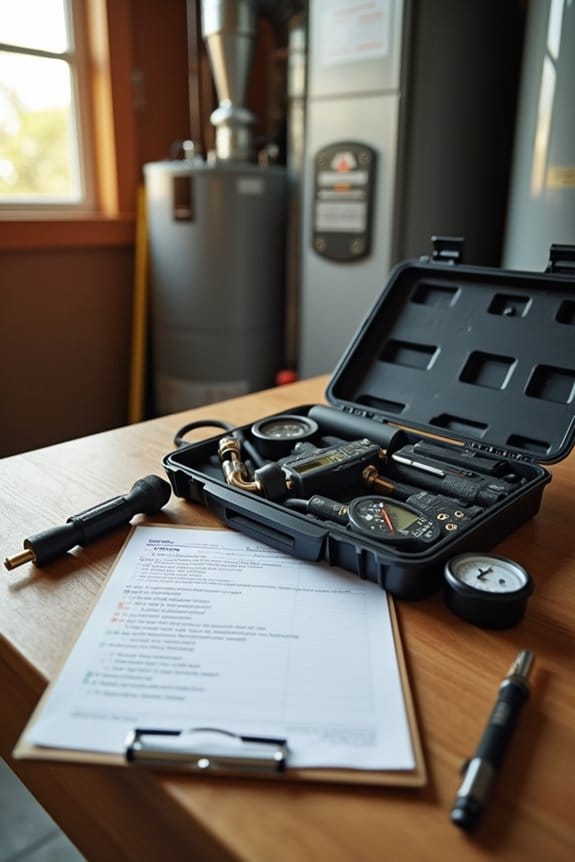
Using checklists and templates can transform the often-overwhelming task of home maintenance into a manageable routine. The checklist benefits are endless—it keeps me organized and guarantees I don’t overlook essential tasks. Here are some useful template examples:
- Annual Maintenance Checklist: Breaks down tasks by month or season.
- Printable PDFs: Great for visual tracking of monthly duties.
- Digital Calendar Templates: Set reminders for recurring tasks.
- Task-Specific Templates: Focus on HVAC, plumbing, or electrical systems.
I love including clear task descriptions and space for completion dates, which helps me stay on track. Plus, it’s satisfying to check off completed tasks. Trust me, using these tools makes home maintenance feel less like a chore and more like a victory!
Assign Responsibilities

Assigning responsibilities for home maintenance can feel like putting together a puzzle, especially when you consider the variety of tasks involved. Here’s how I tackle it:
- Categorize Tasks: Identify skills needed—plumbing, electrical, or gardening. Match tasks to the right person.
- Define Ownership: Assign individual or team responsibility for each maintenance category. Specify how often tasks should be done—daily, weekly, or monthly.
- Set Up Communication Protocols: Use tools for tracking progress and quick reporting. Regular check-ins help stay on track.
- Document Everything: Create a responsibility assignment matrix to guarantee clarity and avoid overlap.
Allocate Budget and Supplies
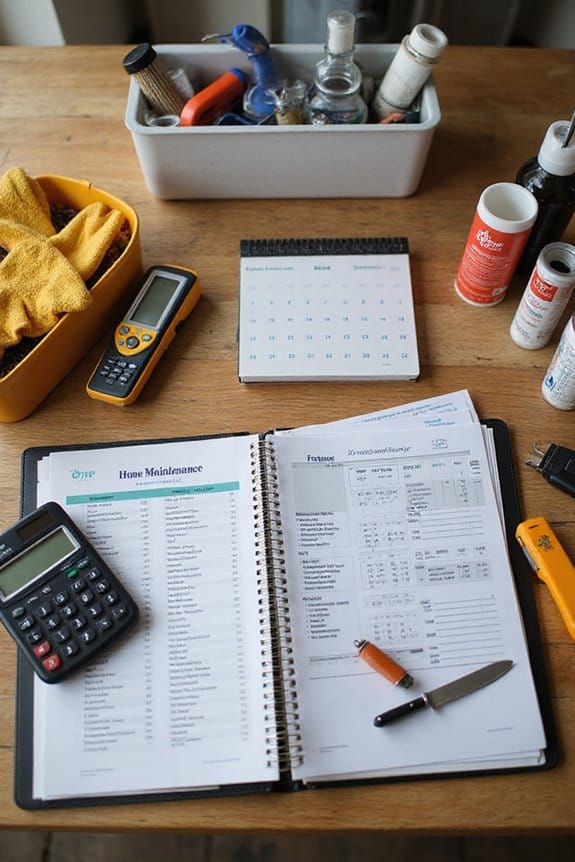
While I might not be a financial guru, I’ve learned that allocating a budget and supplies for home maintenance is essential for keeping everything running smoothly. Here’s how I tackle it:
- Choose a Budgeting Method: I often use the 1% Rule, setting aside 1% of my home’s value annually for maintenance. For my $300,000 home, that’s about $3,000 a year.
- Emergency Funds: I recommend saving at least $10,000 for unexpected repairs. Trust me, it’s a lifesaver!
- Supplies Budget: Don’t forget to budget for essentials like filters and cleaning supplies. Buying in bulk during sales can save money too. Additionally, investing in durable automotive tools can significantly reduce long-term maintenance costs.
In the end, a little planning goes a long way in avoiding costly surprises!
Recommended Products

A MUST HAVE SURVIVAL FIRE BLANKET: Designed as emergency home-safety device for peace of mind. Perfect as a great gift to your friends and family.Keep these fire blankets in the home kitchen, backyard, fireplace, grill, office, camping or as part of your vehicle's survival kit for comprehensive protection

Simple, Fast Activation:Take control with an easy-to-use design—just press, aim, and spray. Each extinguisher Emergency Survival Kits includes two sturdy mounting brackets for quick access in kitchens, cars, and other essential spots.

Powerful Cleaning: This cleaner helps eliminate build-up and smells in kitchen sinks and drains.
Monitor and Review Progress
Once you’ve got your budget sorted out, it’s time to keep an eye on your home maintenance journey. Monitoring progress is essential for staying on track. Here’s how I do it:
- Set Benchmarks: Define specific targets, like changing the HVAC filter every three months.
- Use Digital Tools: Calendar apps or Trello help with progress tracking and reminders.
- Maintain Logs: Keep detailed records of completed tasks, including dates and who did them.
- Analyze Regularly: Review logs monthly to spot missed tasks and adjust as needed.
- Monitor Metrics: Track completion rates to gauge efficiency, using color codes for quick status checks.
Recommended Products


GENERAL HOME MANAGEMENT – Keep all your household information in one place, including property details, contacts, and key documents. Perfect as a home maintenance log book for new homeowners or adhd cleaning planner for adults.

WHATS INCLUDED - The binder comes with a starter set of 17 templates now included, 3 main dividers, 18 sub-dividers, 25 regular plastic sleeves, 2 zipper plastic sleeves and 40 tab labels. Dividers enable you to easily categorize & organize everything into relevant sections for quick access. Zipper sleeves keep various documents and receipts safe and in one place.
Frequently Asked Questions
How Do I Prioritize Maintenance Tasks Effectively?
To prioritize maintenance tasks effectively, I focus on urgent repairs first, then seasonal tasks. I assess urgency, safety, and potential disruptions to streamline my schedule and guarantee everything’s addressed in a timely manner.
What Tools Are Essential for Home Maintenance?
When it comes to home maintenance, I find having toolbox essentials like a hammer, screwdriver set, and measuring tape vital. I always keep a maintenance checklist handy to stay organized and guarantee nothing’s overlooked.
How Can I Find Reliable Service Providers?
Finding trustworthy service providers feels like maneuvering through a maze. I sift through online reviews and make service comparisons, ensuring I choose skilled professionals who not only meet standards but also communicate effectively and reliably.
What Should I Do in Case of an Emergency Repair?
In an emergency repair, I first grab my repair checklist and shut off utilities. I then contact emergency services and trusted repair professionals from my emergency contacts, ensuring I document everything for future reference.
How Can I Make My Home More Energy-Efficient?
To make my home more energy-efficient, I start with energy audits to identify areas needing improvement. Insulation upgrades can considerably reduce energy bills, keeping my space comfortable while lowering my environmental impact.