As an Amazon Associate, we earn from qualifying purchases. Some links may be affiliate links at no extra cost to you. Although our opinions are based on curated research, we haven't used these products. Articles generated with AI.

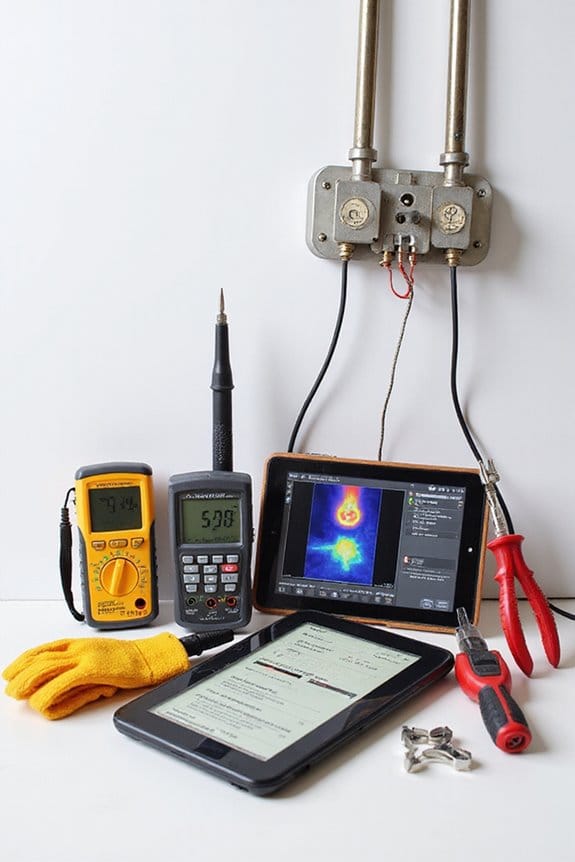
How Often Should Electrical Outlets Be Tested?

I recommend testing your general outlets at least once a year. GFCI outlets? They need a monthly check-up. Keep an eye on any signs like scorch marks or flickering lights, which mean it’s time to test sooner. It’s all about catching problems early, so your family stays safe, right? Plus, regular inspections can extend the life of your outlets. Stick around for more tips on electrical safety to keep your home in great shape!
Key Takeaways
- Test general electrical outlets annually to identify potential issues early.
- GFCI outlets should be tested monthly to ensure proper functioning and safety.
- Perform immediate testing if you notice buzzing sounds or burning smells from outlets.
- Check outlets after any home repairs, renovations, or power surges.
- Inspect outlets if you see scorch marks or if they feel warm to the touch.
Recommended Testing Frequency for General Electrical Outlets
You may be interested
When it comes to keeping our homes safe, I can’t stress enough the importance of testing electrical outlets regularly. Here’s a simple guide for outlet maintenance that you might find helpful:
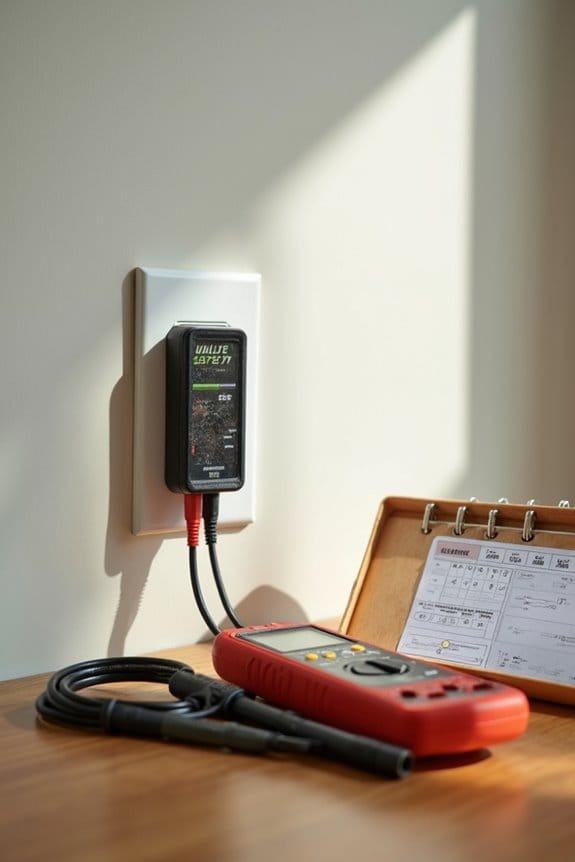
- Annual Testing: Test your outlets at least once a year. This helps catch issues like loose wiring early on.
- Move-In Checks: Always test outlets when moving into a new or renovated home. Better safe than sorry!
- Post-Remodeling: If you’ve done any repairs or changes, check those outlets afterward to confirm safe installation.
- Immediate Action: Notice any buzzing or burning smells? Test those outlets right away!
Recommended Products

CLEAR LCD READOUT: GFCI Receptacle Tester features a large backlit LCD readout for easy voltage reading and clear indication of wiring conditions

Be aware of voltage easily - the tip glows red and a beeper sounds when voltage is detected

CLEAR LIGHT SEQUENCE: Outlet tester's light sequence indicates correct/incorrect wiring, ensuring easy identification of wiring issues
Specific Guidelines for GFCI Outlet Testing
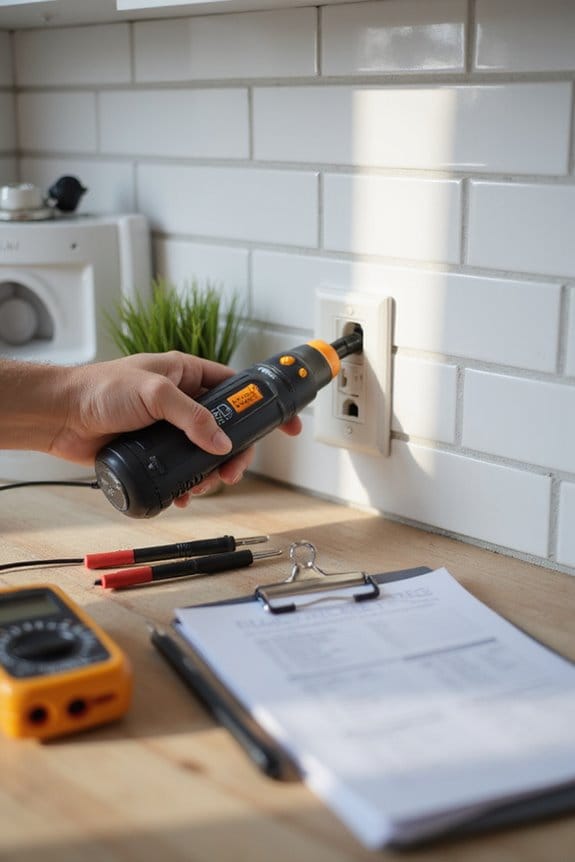
GFCI outlet testing is essential for keeping your home safe, and I’d recommend making it a routine part of your monthly checklist. Here are some specific guidelines for GFCI maintenance:
- Test Monthly: Check your GFCI outlets at least once a month for outlet reliability.
- Post-Installation: Test immediately after installation to confirm everything’s wired correctly.
- After Power Issues: If you experience a power failure or surge, test your GFCIs afterward.
- Quarterly Minimum: If monthly testing isn’t feasible, aim for at least quarterly checks.
- Testing Steps: Plug in a lamp, press the “Test” button, and confirm the light turns off. Don’t forget to press “Reset” afterward.
These simple steps can help prevent potential hazards and keep your home safe. Trust me, your outlets will thank you! Additionally, regular testing supports safety compliance standards that ensure your electrical systems meet necessary regulations.
Recommended Products
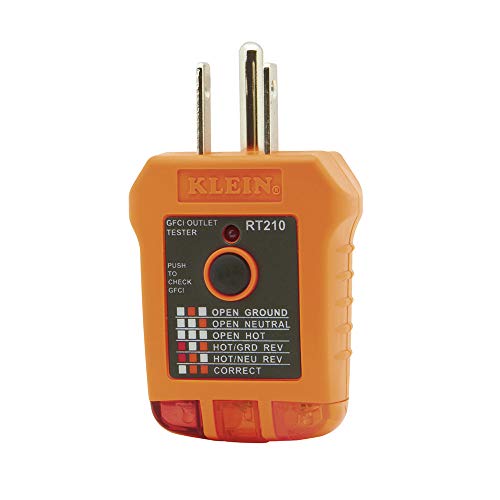
EFFECTIVE GFCI WIRING PROBLEM DETECTION: GFCI Tester detects common wiring problems in standard and GFCI receptacles, ensuring electrical safety

SMART BUY: A complete, high-performance kit that offers convenience and value

Reliable GFCI Function Testing: Southwire GFCI push button Receptacle Tester ensures safe outlet wiring with 7 test modes and a durable receptacle testing equipment design
Importance of Regular Testing for Safety
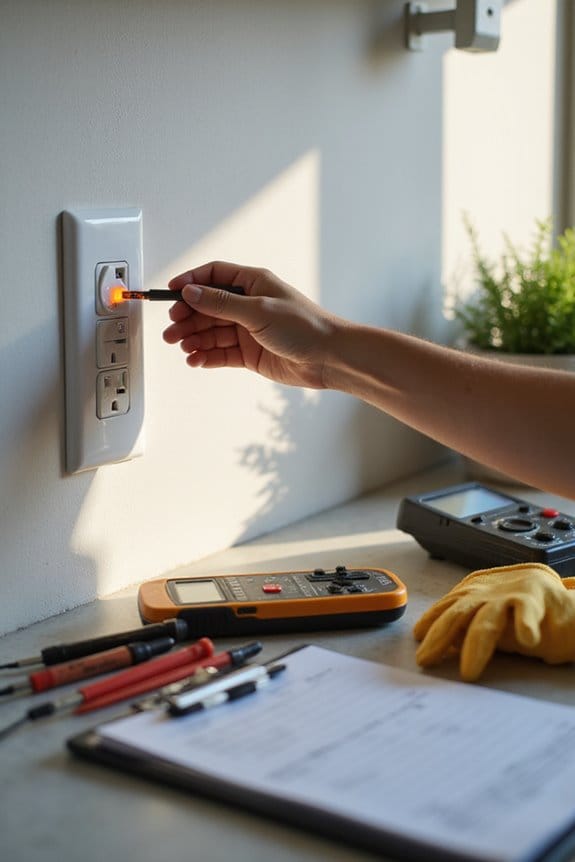
While you might think your electrical outlets are just there to plug in your devices, regular testing is essential for safety—trust me on this one! Here are a few reasons why outlet maintenance should be on your to-do list:
- Prevents Shocks: Regular tests can spot dangerous voltages, keeping you safe from electrical shock.
- Detects Deterioration: It catches issues like loose wiring or damaged insulation before they become fire hazards.
- Ensures Compliance: Testing helps you meet safety standards, protecting both you and your property.
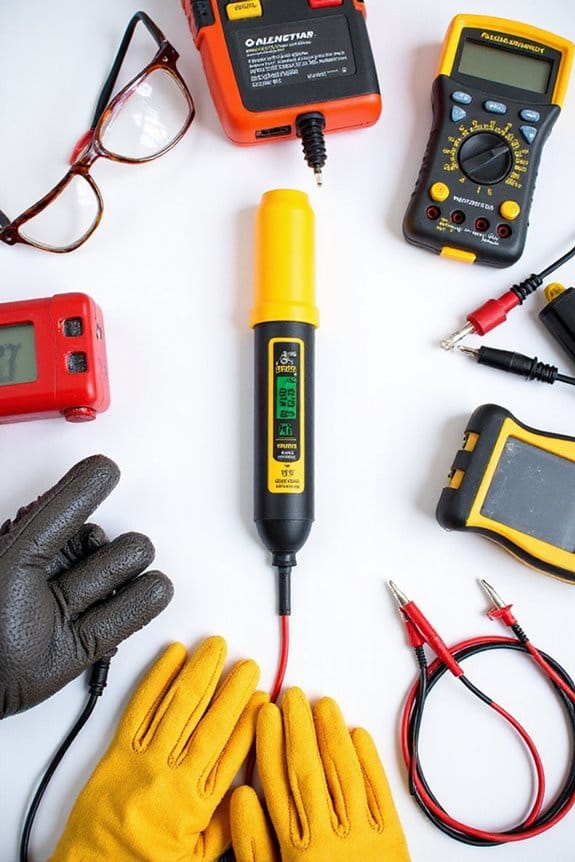
- Extends Lifespan: Early detection of wear and tear keeps your outlets functioning well for longer. Additionally, using testers with non-contact voltage detection can enhance your safety while performing these checks.
Recommended Products

VERSATILE VOLTAGE DETECTION: This Voltage Tester offers non-contact detection of low voltage in security, entertainment, communications, environmental control, and irrigation systems

SAFETY FIRST: It will send out multiple alarms through sound and light. When the voltage is detected, the tip will send out red light and beep. When the higher the sensed voltage is, or the closer it is to the voltage source, it beeps at a higher frequency and the percentage value will be larger. At the same time, the screen will be red or green, red means high voltage and live wire are detected, green means low voltage and null wire are detected

Voltbeat technology and continuous self test so you always know it is working
Frequency of Electrical System and Panel Inspections
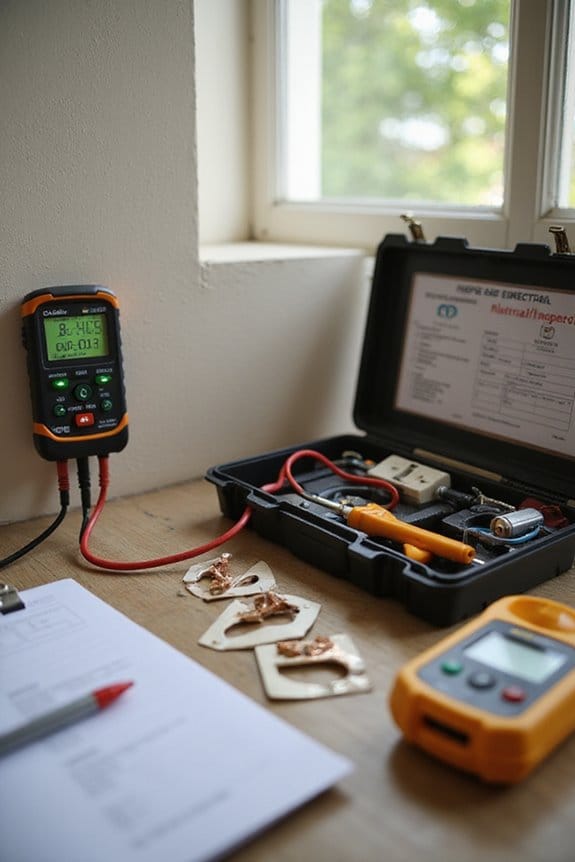
Keeping your electrical outlets safe is just one piece of the puzzle. Regular inspections of your electrical system and panel maintenance are essential too. Here’s what I recommend:
- Residential Panels: Aim for professional inspections every 5 to 10 years. It’s smart to check every 3 to 5 years for routine maintenance.
- Commercial Panels: These need more attention—every 1 to 5 years is standard due to heavier loads.
- Large Properties: If you’ve got a complex setup, annual inspections help catch issues early.
Recommended Products
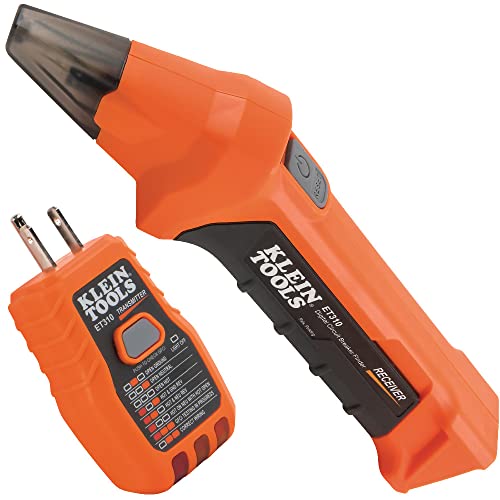
ACCURATE CIRCUIT BREAKER IDENTIFICATION: Quickly locate the correct breaker with precision using our circuit breaker finder, ensuring efficient electrical troubleshooting

ACCURATE CIRCUIT BREAKER IDENTIFICATION: Quickly locate the correct breaker with precision using the transmitter and receiver of the circuit breaker finder, ensuring efficient electrical troubleshooting

NON-CONTACT DETECTION of AC voltage in cables, cords, circuit breakers, lighting fixtures, switches, non-tamper-resistant outlets, and wires
Testing Triggers Beyond Regular Schedules
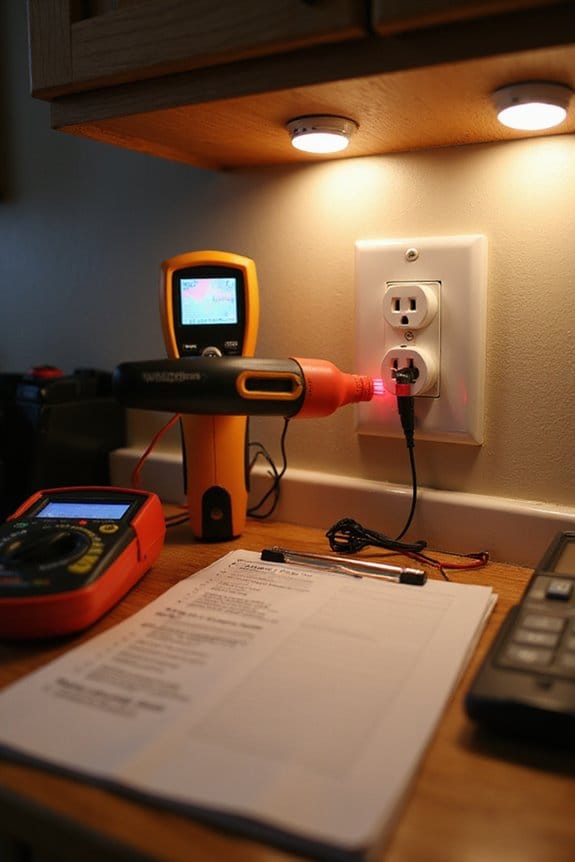
When it comes to testing electrical outlets, you can’t just rely on a set schedule; there are situations that scream for immediate attention. Here are some critical triggers for testing:
- Scorch Marks: Dark marks around an outlet often signal burnt wiring. Get that checked ASAP!
- Flickering Power: If your outlet is acting moody, it might have loose connections.
- Warm to Touch: Outlets shouldn’t be hot. If they are, it’s time for testing.
- Physical Damage: Cracked outlet covers can expose wiring—definitely a safety concern.
- Frequent Breaker Trips: If a specific outlet keeps tripping, you need to troubleshoot.
Stay ahead with proactive outlet maintenance! Remember, your safety is worth the effort.
Recommended Products

Dual Neon Light Indicates Presence Of Ac Voltage Of Either 120 Or 240 Vic

1 Kit, 3 Essential Tools – Unzip it to reveal your complete diagnostic setup: a digital multimeter, non-contact voltage pen, and GFCI outlet tester. No more wasted trips to the truck or fumbling for separate meters. Built for electricians, HVAC pros, and dedicated DIYers who value efficiency and need to get the job done right—without the downtime.

Neon Light Indicates Presence Of Ac Voltage From 80-250 Vic
Frequently Asked Questions
Can I Test Outlets Using a Multimeter?
Absolutely, I can test outlets using a multimeter. It’s essential for outlet safety, as it helps identify issues like voltage irregularities. Just remember to follow safety precautions to avoid any accidents during testing.
What Signs Indicate an Outlet Needs Replacement?
I’ve noticed that signs like cracked faceplates or outlets feeling hot can indicate outlet wear and potential electrical hazards. If you see any damage, it’s best to replace the outlet to guarantee safety.
Are There Specific Tools for Outlet Testing?
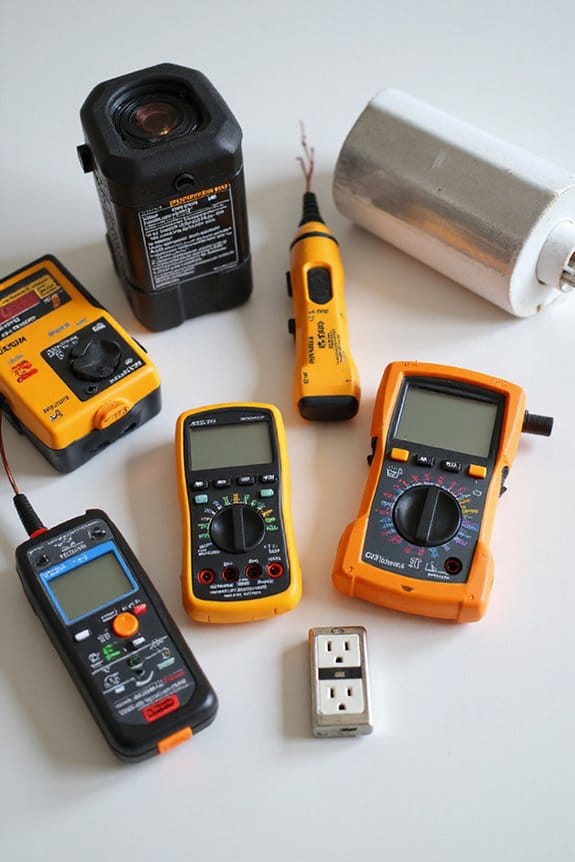
When it comes to outlet testing, I rely on an outlet tester and a voltage meter. These tools help me quickly identify wiring issues and guarantee everything’s functioning safely and effectively in my home.
How Should I Prepare for an Outlet Inspection?
Before the inspection, I visualize a checklist—a guide through the maze of safety. I gather my outlet preparation checklist and inspection safety tips, ensuring everything’s cleared and ready for a thorough evaluation.
Can DIY Testing Void My Home Insurance?
I understand your concern about DIY testing possibly voiding insurance policies. Generally, it won’t, but DIY risks arise when unsafe modifications occur. Always document your testing efforts for potential insurance claims and peace of mind.