As an Amazon Associate, we earn from qualifying purchases. Some links may be affiliate links at no extra cost to you. Although our opinions are based on curated research, we haven't used these products. Articles generated with AI.

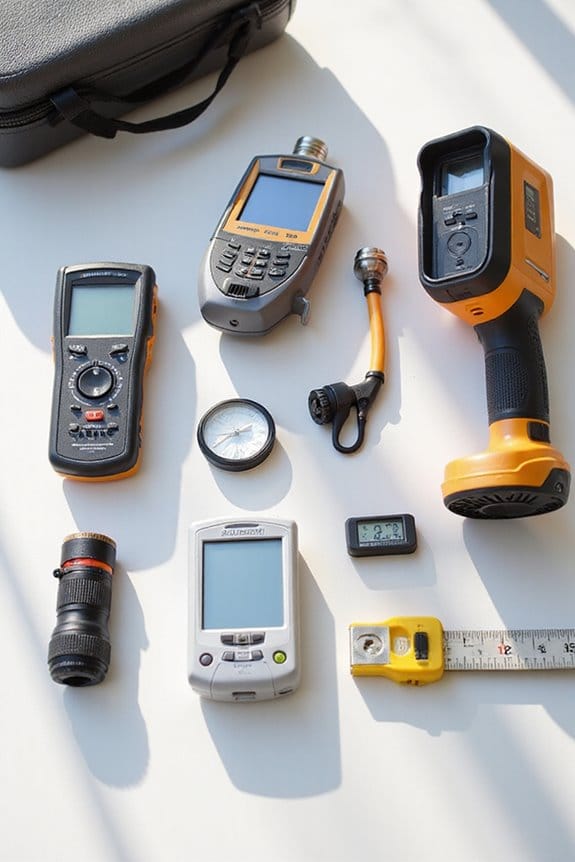
What Will Fail A Home Inspection?

If you’re wondering what will fail a home inspection, I can help! Major issues include: 1) Foundation problems like cracks and uneven floors. 2) Roofing issues, such as missing shingles or leaky spots. 3) Plumbing failures, like leaky pipes or slow drains. 4) Electrical hazards, especially outdated wiring. 5) Safety compliance issues, including missing smoke detectors. Catching these early can save you headaches later. Stick around, and I’ll share more tips to ace your inspection!
Key Takeaways
- Foundation issues like cracks, uneven floors, or bowing walls can indicate structural problems that lead to inspection failures.
- Roofing problems such as damaged shingles, moisture intrusion, and flashing failures can expose homes to leaks and significant damage.
- Plumbing concerns, including leaky pipes and poor water pressure, can result in extensive water damage if not identified early.
- Electrical hazards, including outdated wiring and overloaded circuits, increase fire risks and may lead to non-compliance during inspections.
- Safety hazards, like missing smoke detectors and trip hazards from cracked driveways, can result in serious inspection failures.
Foundation Problems
You may be interested

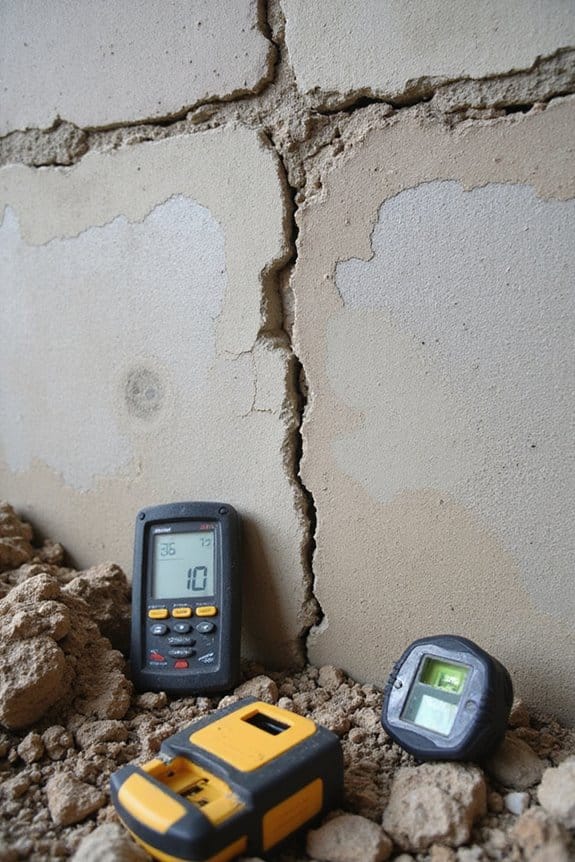
When it comes to house hunting or selling, foundation problems can really throw a wrench in the works. Trust me, I’ve seen it happen! Here are a few key indicators you should watch for:
- Foundation Cracks: Look for diagonal internal cracks or any external cracks wider than 1/4 inch. They might signal serious issues.
- Uneven Floors: If your floors are sagging, it could mean support beams are shifting due to soil movement.
- Sticking Doors and Windows: Misaligned frames often accompany foundation movement.
- Gaps: Check around windows, ceilings, and floors. Gaps can point to settling issues.
- Bowing Walls: Leaning or cracked walls indicate structural stress.
Roofing Issues
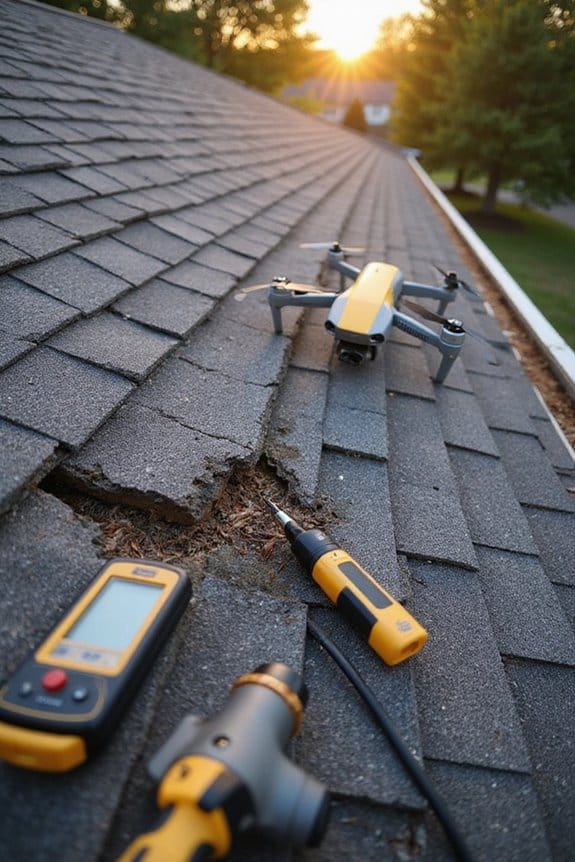
While a sturdy roof is often taken for granted, it plays an essential role in protecting your home from the elements. Here are some key roofing issues that could fail a home inspection:
- Shingle Damage: Worn-out or missing shingles can expose your roof to leaks. Heavy winds can easily take them out.
- Moisture Intrusion: Water leaks from damaged flashing or poorly sealed areas can lead to significant issues like mold and wood rot.
- Flashing Failures: Properly installed flashing is vital. Any deterioration can result in unwanted leaks inside your home.
- Gutter Problems: Clogged or damaged gutters can cause overflow, leading to moisture issues.
Regular inspections can help catch these problems early, so your roof stays in top shape—because nobody wants a leaky roof, right?
Plumbing Problems
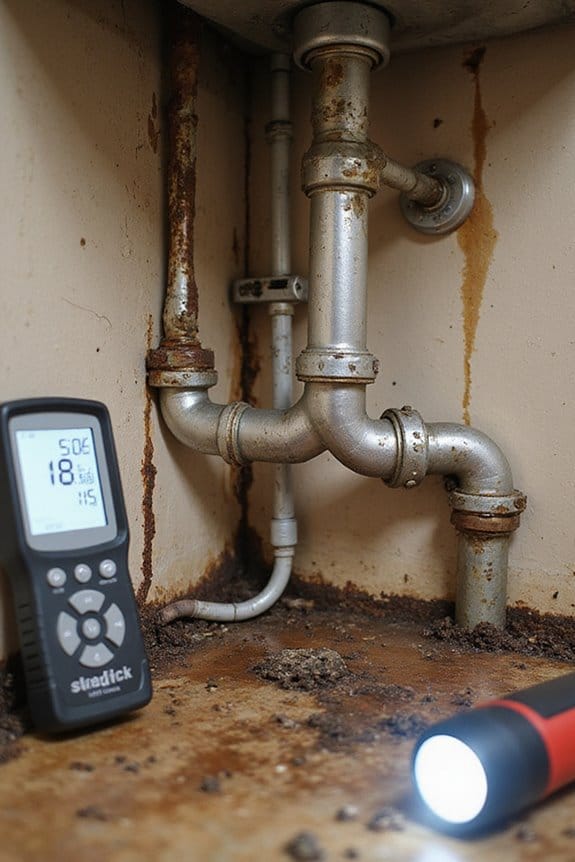
Plumbing problems can sneak up on you, causing chaos when you least expect it. Here are the top issues that might fail a home inspection:
- Leaky Pipes: These are common culprits, especially in older homes. They can lead to extensive water damage if not caught early.
- Corroded Fixtures: Outdated faucets and toilets can fail unexpectedly. Hairline cracks can develop, leading to unwanted leaks.
- Water Pressure Issues: If you notice poor water pressure, it might indicate blockages or hidden leaks. Don’t ignore slow drains; they can signal bigger problems.
Electrical Issues
Here is the modified content following your instructions:
—
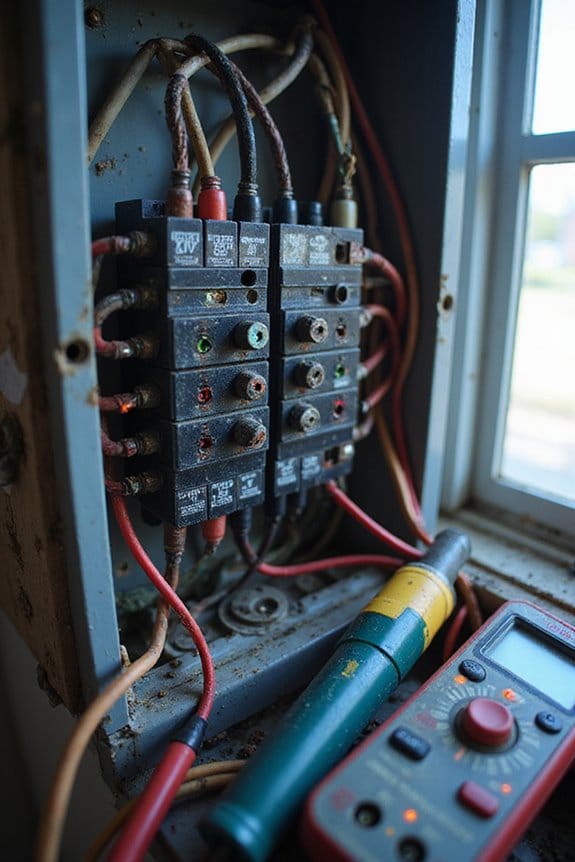
Electrical issues are often the silent troublemakers in a home that can lead to a failed inspection. Here are the most common culprits I’ve seen:
- Outdated Wiring: Using old materials can increase fire risks. If your wiring’s brittle or worn, it might need a complete overhaul.
- Overloaded Circuits: If your circuits are tripping often, it’s a sign they can’t handle your gadgets. An upgrade may be necessary.
- Grounding Deficiencies: Ungrounded outlets can shock you or start fires.
- GFCI and AFCI Gaps: Missing these safety devices can lead to serious issues, especially near water.
Inspectors will flag these problems, so tackling them early can save you a lot of headaches later! Additionally, ensuring your home has proper non-contact voltage detection can help identify live wires safely before any inspections occur.
Recommended Products

Be aware of voltage easily - the tip glows red and a beeper sounds when voltage is detected

VERSATILE VOLTAGE DETECTION: This Voltage Tester offers non-contact detection of low voltage in security, entertainment, communications, environmental control, and irrigation systems

SAFETY FIRST: It will send out multiple alarms through sound and light. When the voltage is detected, the tip will send out red light and beep. When the higher the sensed voltage is, or the closer it is to the voltage source, it beeps at a higher frequency and the percentage value will be larger. At the same time, the screen will be red or green, red means high voltage and live wire are detected, green means low voltage and null wire are detected
Pest Infestations and Toxicity Hazards
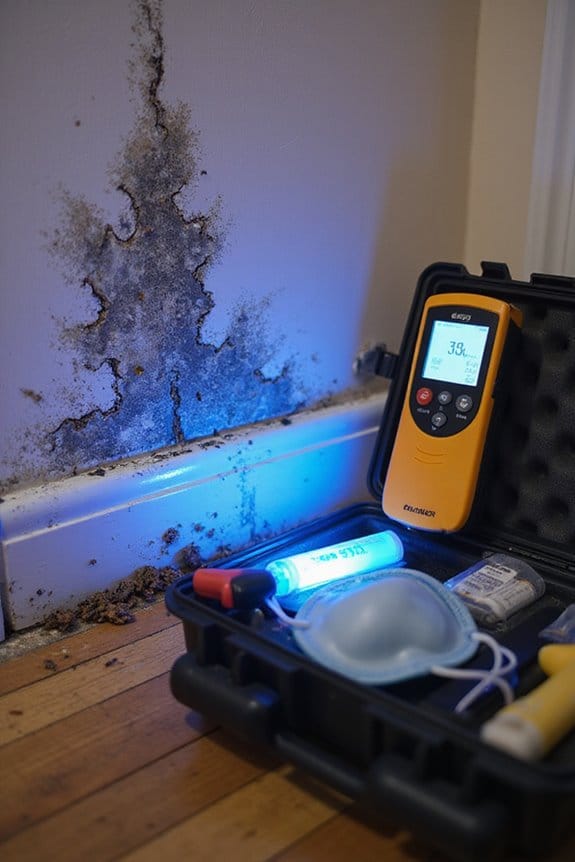
Just when you think you’ve tackled all those pesky electrical issues, there’s another potential inspection nightmare lurking in the shadows: pest infestations and toxicity hazards. Trust me, you don’t want to overlook this. Here’s what to keep in mind:
- Pest Identification: Look for signs like droppings, scratching sounds, or nests. Termites can be particularly sneaky, causing serious structural damage.
- Mold Remediation: Mold often indicates water problems. If you spot mold or smell mustiness, act fast to address it.
- Health Risks: Rodents can spread diseases, and their droppings may trigger inspection failures.
To boost your chances of passing, consider a professional pest inspection before your home inspection. It’s worth the peace of mind!
Recommended Products

Full Control Setup Included – Comes with 2 SuperCat PRO Gopher & Vole traps and a 2-piece install kit containing tunnel probe and serrated cutter to ensure fast setup and...
Common Maintenance Failures
While you might think you’ve got everything in tip-top shape, common maintenance failures can sneak up on you and derail your home inspection. Here are a few areas where maintenance neglect often shows up:
- Plumbing Issues: Leaky pipes and blocked drains can spell disaster. Seasonal inspections can help catch these problems early.
- Foundation Cracks: Look for any exterior cracks or uneven floors; they can indicate serious foundation issues.
- Roofing Problems: Missing shingles or signs of water damage can ruin your roof’s integrity.
- Floor Damage: Squeaky or uneven floors might hint at deeper issues.
- Drainage: Poor drainage can lead to moisture problems that affect your home’s structure.
Additionally, monitoring moisture levels can prevent issues like mold growth and structural damage during a home inspection.
Safety Hazards and Compliance Issues
When it comes to home inspections, safety hazards and compliance issues can be the sneaky culprits that cause major headaches. Here’s what I often see:
- Smoke Detectors: Many homes fail due to missing or malfunctioning smoke detectors. You definitely don’t want to skip this!
- Carbon Monoxide Detectors: Older homes often lack these essential devices, putting occupants at risk.
- Electrical Issues: About 18.7% of inspections reveal serious electrical problems, like faulty wiring and overloaded circuits.
- Fire Hazards: Inspections frequently flag evidence of previous fire damage, which can be alarming.
- Trip Hazards: Cracked driveways and uneven steps can lead to falls, so watch out!
Additionally, ensure that your home is equipped with interconnected models of smoke and carbon monoxide detectors for enhanced safety.
Stay proactive and address these issues before your inspection. Your future self will thank you!
Frequently Asked Questions
How Can I Prepare My Home for a Home Inspection?
Preparing for a home inspection feels intimidating, yet it’s empowering. I created a pre-inspection checklist focused on common repairs, ensuring everything’s functional, from plumbing to pest control. It’s made all the difference in my confidence!
What Are the Costs Associated With Fixing Inspection Failures?
When I consider repair costs for inspection failures, I realize the expenses can add up quickly. From plumbing to roofing issues, I’ve learned budgeting for these inspection expenses is essential for any homeowner.
How Long Does a Typical Home Inspection Take?
When I think of inspection duration, I see a clock ticking alongside a sprawling home. Factors affecting this time include size, age, and complexity, often leading to thorough inspections lasting anywhere from 2 to 4 hours.
Can I Be Present During the Home Inspection?
Absolutely, I recommend being present during the home inspection. It’s great for understanding the property better. Just remember some inspection etiquette—let the inspector lead, and ask questions without interrupting their process.
What Documents Should I Provide to the Inspector?
When you prepare for the inspection, I recommend gathering an inspection checklist of all required documents. This includes ownership proof, maintenance records, and systems documentation to guarantee a smooth and efficient process for the inspector.