As an Amazon Associate, we earn from qualifying purchases. Some links may be affiliate links at no extra cost to you. Although our opinions are based on curated research, we haven't used these products. Articles generated with AI.

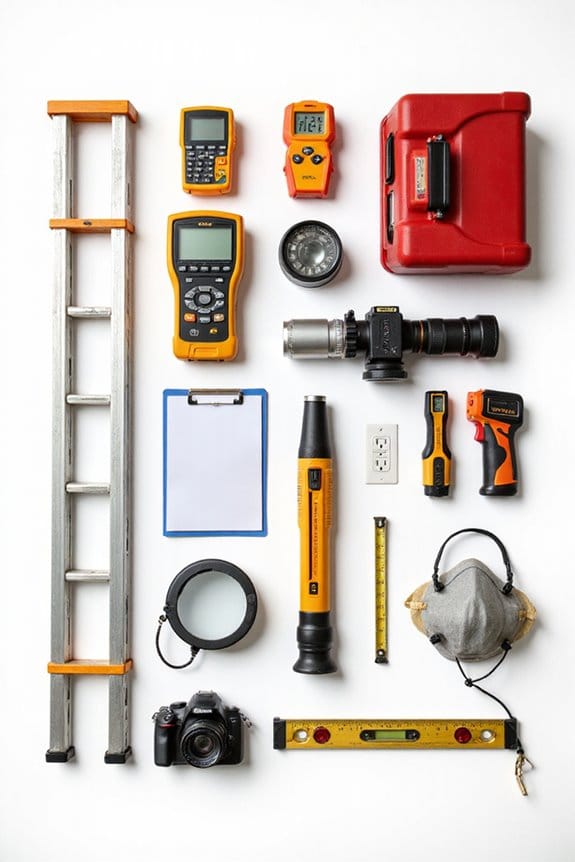
What Does A Home Inspection Include?

A home inspection includes several key areas I recommend checking to keep your future home safe and sound. First, there’s the structural system, including foundation stability and load-bearing walls. Next, I’ll look at the exterior, ensuring proper drainage and siding condition. Roofing gets inspected for shingle health and ventilation. Don’t forget plumbing and electrical systems; I check for leaks, clogs, and circuit safety. It’s a big picture approach to secure your investment—stick around to learn more!
Key Takeaways
- Structural system inspections assess foundation stability, load-bearing integrity, and the condition of beams and columns for safety.
- Exterior inspections evaluate drainage effectiveness, siding condition, window and door integrity, and the functionality of gutters and downspouts.
- Roofing inspections focus on shingle condition, flashing integrity, roof structure, and proper ventilation to prevent moisture issues.
- Plumbing system inspections examine pipes for leaks, valves for proper operation, water heaters for functionality, and sewer lines for blockages.
- Electrical system inspections review panel conditions, wiring and outlets for safety, and circuit breakers for proper functionality and fire hazard prevention.
Structural System Inspections
You may be interested
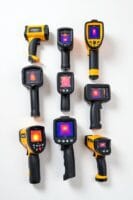
When it comes to home inspections, understanding the structural system is crucial. You wouldn’t want to buy a house with hidden issues, right? Here’s what I focus on:
- Foundation Stability: I inspect for visible cracks, settling, or shifts. It’s essential to check soil conditions and drainage to prevent future problems.
- Load Bearing Integrity: I examine load-bearing walls for cracks or bowing. These walls must be strong to support the weight of the structure.
- Beams and Columns: I look for any signs of damage or misalignment. If these aren’t in good shape, it’s like building on quicksand!
Recommended Products

FIX FOUNDATION WALL CRACKS EASILY: Our Concrete Crack Repair Kit offers a reliable solution for foundation crack repair injection kit and concrete crack repair. Homeowners can address concrete cracks and cement crack filler issues efficiently, preventing water infiltration and protecting the basement from potential water damage. Whether you’re facing rainstorms or just trying to maintain your basement, it provides a hassle-free solution, saving you the cost and trouble of hiring professionals.

FOR EASY REPAIRS — It's the ideal concrete patch repair mix, neatly fixing cracks and spalls so your property looks like new. It's even textured for a more seamless blend with the existing structure

FOR SEALING CRACKS AND JOINTS — Sika Pro Concrete Fix offers exceptional adhesion and elasticity, creating strong bonds that resist tearing and cracking and can maintain a ±35% joint movement range
Exterior Inspection
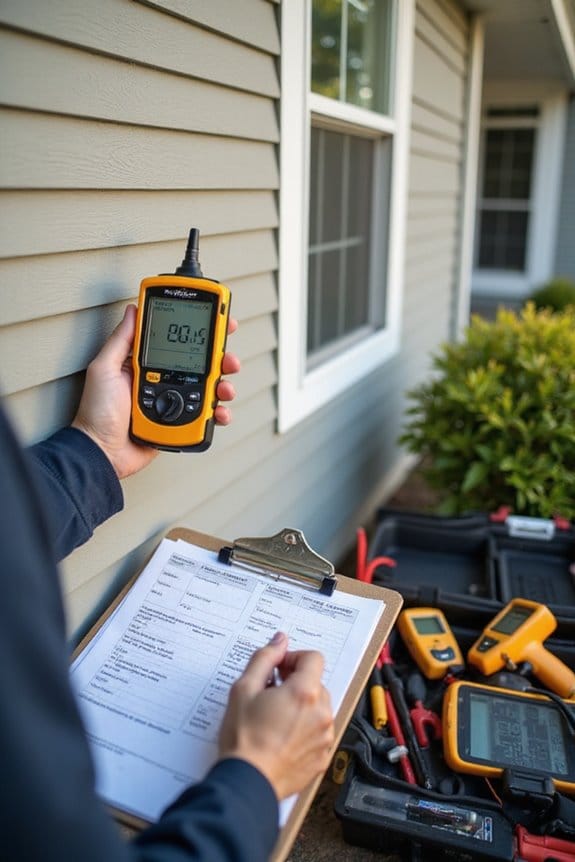
After checking the structural system, it’s time to look at the exterior of the home. This step’s essential for guaranteeing everything’s up to snuff. Here’s what I focus on:
- Drainage Effectiveness: I check if water flows away from the house and look for any standing water near foundations—nobody wants a soggy basement!
- Siding Condition: I inspect the siding for cracks, rot, or loose panels. I also check for any peeling paint that could suggest moisture issues.
- Windows and Doors: I verify frames are secure, with no cracks or broken seals.
- Gutters and Downspouts: I make certain they’re clear and directing water away properly.
Recommended Products

16FT Telescoping Reach for 24FT Gutter Cleaning:Extendable up to 16 feet, this gutter cleaning tool allows you to safely reach gutters on the second floor or roof without the need for unstable ladders. Perfect for 2 story gutter cleaning tools, this makes your cleaning tasks safer and more efficient with gutter cleaner tools from ground.

TELESCOPING POLE: This wand easily extends from 40 in. to 70 in. making those hard-to-reach rain gutters easy to clean.

CLOGGED GUTTERS → FAST FIX Deep, curved scoop pulls out wet leaves, pine needles, and compacted debris in fewer passes—so water can flow through your gutters again (without digging by hand).
Roofing Inspection
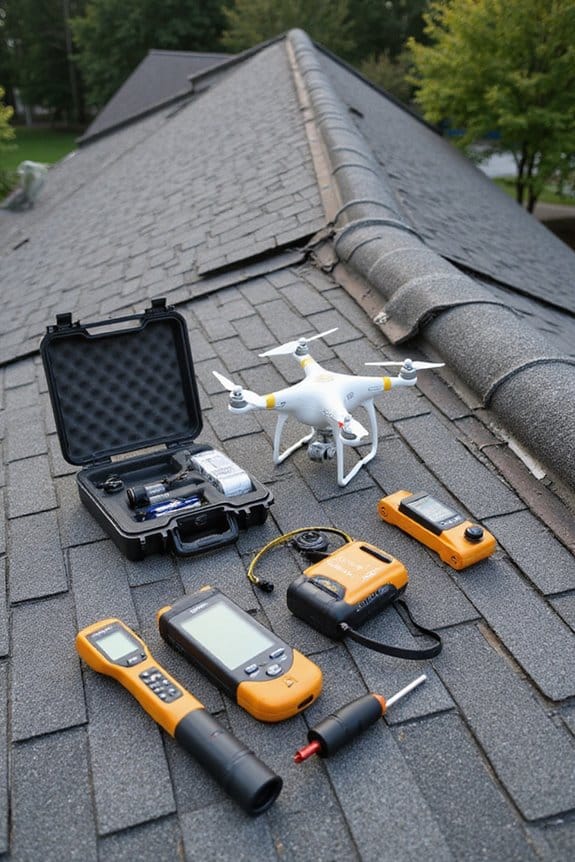
While a home’s exterior can reveal plenty about its condition, the roofing inspection is where things really come to a head—literally! Here’s what I check:
- Shingle Condition: I look for issues like curling, cracking, or missing shingles. These can lead to bigger headaches down the line.
- Flashing Integrity: I inspect the metal flashing around chimneys and vents. Any rust or gaps? That’s a red flag!
- Structure: A sagging roof line? That could mean structural problems brewing underneath.
- Ventilation: Proper ventilation is essential. I verify all vents are clear to prevent moisture buildup.
Regular roof maintenance is key to prolonging your roof’s life. Different shingle types can affect durability, so it’s good to know what you have! Additionally, understanding the importance of testing tools can help homeowners identify electrical issues that may arise from roof-related installations, ensuring a safe environment.
Recommended Products

You will receive 120 Pcs red ladder inspection labels, enough for you to check that the machine is in good condition and for recording maintenance or inspection.

Premium Grade Performance: Protect gutters, siding, roof, paint finishes, and you with 19 inches of safe work area; This ladder standoff stabilizer prevents damage while increasing stability and ladder security

[19-INCH WALL STANDOFF] Ladder standoff gutter guard protector that keeps you 19 inches away from the sidewall. Gives you plenty of room to safely work without the worry of damaging your siding, gutters, or roof. Prevents costly damage
Plumbing System Inspection
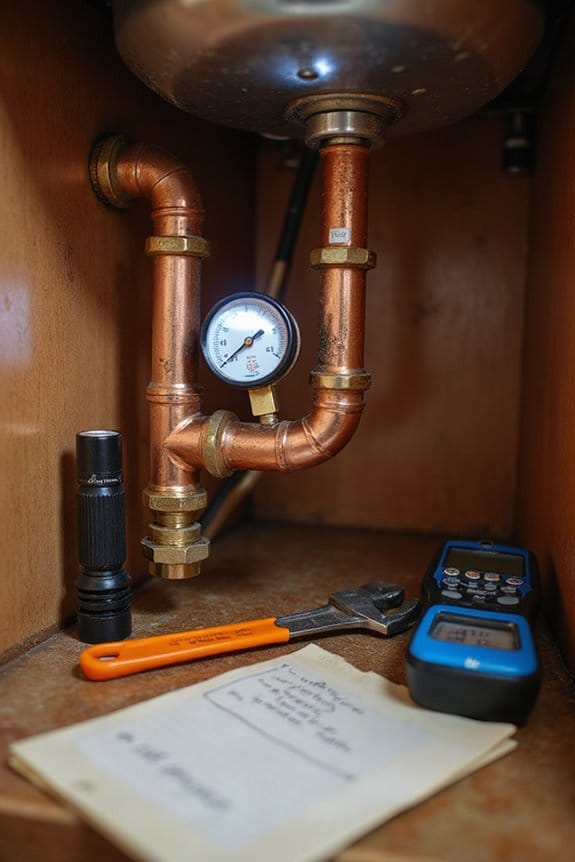
A solid plumbing system is just as important as a sturdy roof when it comes to maintaining a home’s overall health. During a plumbing system inspection, I focus on several key areas:
- Pipes: I check for leaks, corrosion, and damage.
- Valves: I test for proper operation and guarantee there are no leaks.
- Water Heaters: I evaluate functionality and look for sediment buildup.
- Drains: Clogs and slow drainage issues get my attention.
- Sewer Lines: I examine for blockages and structural integrity.
I also measure water pressure to guarantee it’s within the safe range of 40-60 psi. This helps prevent costly repairs later. Remember, a little leak detection now can save you big headaches down the road!
Recommended Products

Easily Identify & Locate Leaks - 75+ tests per kit! This pool leak detection kit delivers a High-Contrast dye that easily traces flow paths. It stands out against light and dark surfaces, making it just as effective as traditional blue dyes on light-colored backgrounds. This superior pool dye formula holds together underwater, ensuring easy & accurate leak detection

Easily Identify & Locate Leaks: 75+ tests per kit! This pool leak detection kit delivers a High-Contrast UV dye that glows brightly in sunlight and under UV light. It stands out against light and dark surfaces, making it just as effective as traditional blue dyes on light-colored backgrounds. This superior pool dye formula holds together underwater, ensuring easy & accurate leak detection

Trusted Pool Leak Finder - Identify the precise location of structural pool leaks in your system
Electrical System Inspection
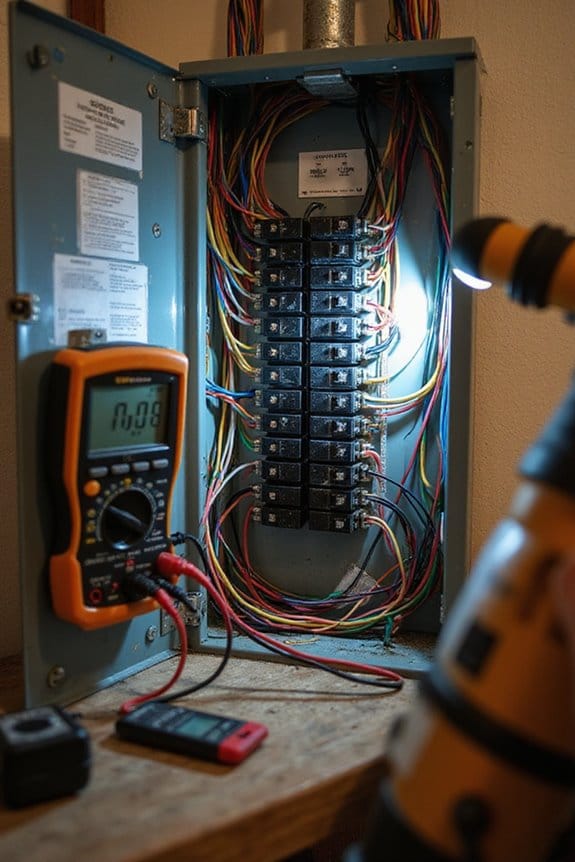
When it comes to your home’s safety, the electrical system is often the unsung hero, quietly keeping everything running smoothly. During an electrical system inspection, I focus on several key areas:
- Panel Inspection: I check the last inspection date and verify all wires are securely connected to prevent fire hazards. Proper grounding is essential for electrical safety.
- Wiring and Outlets: I verify that electrical boxes are accessible and that high and low voltage conductors are separated to avoid interference.
- Circuit Breakers: I test them to make sure they trip correctly and check for tight connections inside the panel.
Recommended Products

ACCURATE CIRCUIT BREAKER IDENTIFICATION: Quickly locate the correct breaker with precision using the transmitter and receiver of the circuit breaker finder, ensuring efficient electrical troubleshooting

EASY REMOVAL: Remove front and rear knockouts from electrical panels embedded in drywall without cutting holes in the drywall

Contains common labels such as Bedroom, Bathroom, Kitchen, etc.
Frequently Asked Questions
How Long Does a Typical Home Inspection Take?
When I schedule a home inspection, the duration usually ranges from 2 to 4 hours. Factors influencing this include the home’s size, age, condition, and complexity of systems. Keep this in mind for planning!
Is a Home Inspection Required for All Real Estate Transactions?
I’ve found that a home inspection isn’t required for all real estate transactions. Home inspection necessity varies, influenced by real estate regulations and lender requirements, making it essential to understand your specific situation before proceeding.
Can I Attend the Home Inspection?
When I attended my friend’s home inspection, I found it invaluable. Yes, you can attend the inspection, but remember inspection etiquette—ask questions respectfully, observe quietly, and let the inspector guide the process for the best experience.
What Happens if Issues Are Found During the Inspection?
If issues pop up during the inspection, I usually plunge into issue resolution. This means initiating repair negotiations with the seller, deciding if repairs are needed, or adjusting the offer based on what’s discovered.
How Much Does a Home Inspection Cost?
Choosing a home inspection’s like picking fruit; you need to evaluate home inspection pricing and factors affecting costs. Prices can range from $400 to over $1,500, depending on size, location, and additional inspections.