As an Amazon Associate, we earn from qualifying purchases. Some links may be affiliate links at no extra cost to you. Although our opinions are based on curated research, we haven't used these products. Articles generated with AI.

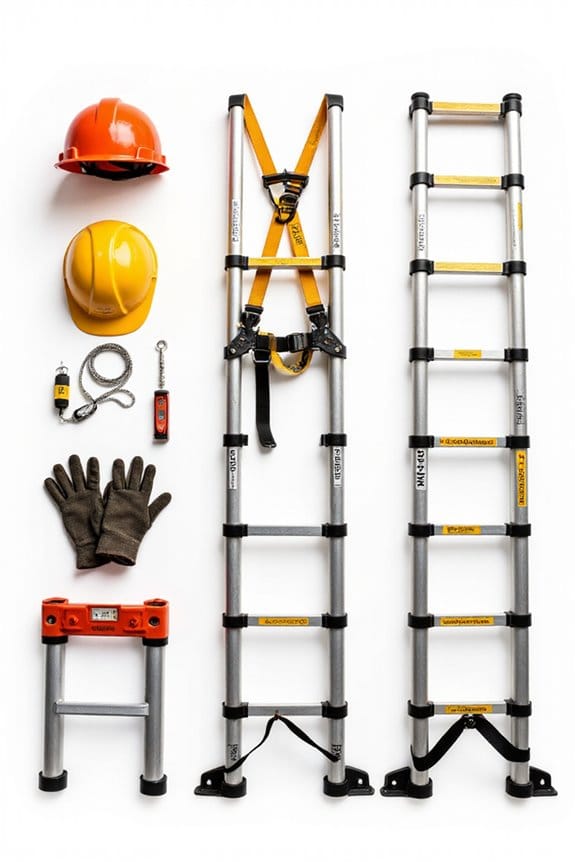
What Are Common Ladder Safety Hazards?

When it comes to ladder safety hazards, I always keep a few key points in mind. First, improper setup can cause falls—always position your ladder on stable ground. Second, be aware of your user behavior; maintaining three points of contact is essential! Also, using damaged ladders is a big no-no. Finally, don’t forget about the importance of training; knowing how to use a ladder properly can save you from a nasty fall. Ready to get the lowdown on safe practices?
Key Takeaways
- Improper ladder setup angle can lead to instability and falls, so always maintain a 75-degree angle during setup.
- Using damaged or worn ladders significantly increases the risk of accidents; regular inspections are essential.
- Overreaching or carrying heavy loads on ladders can cause loss of balance and lead to falls.
- Slippery surfaces or obstacles around the ladder can create tripping hazards and contribute to accidents.
- Neglecting to maintain three points of contact while climbing increases the likelihood of losing stability and falling.
Ladder Types and Their Unique Hazards
You may be interested
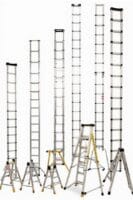
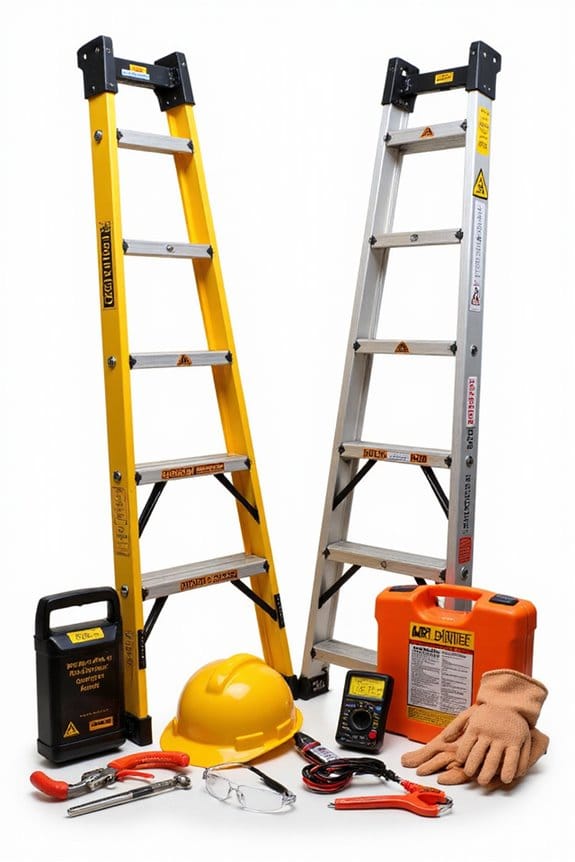
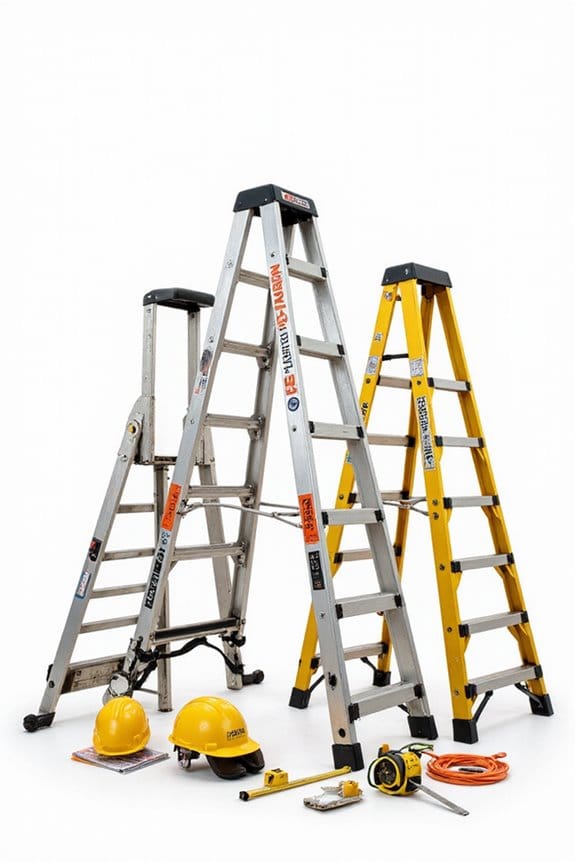
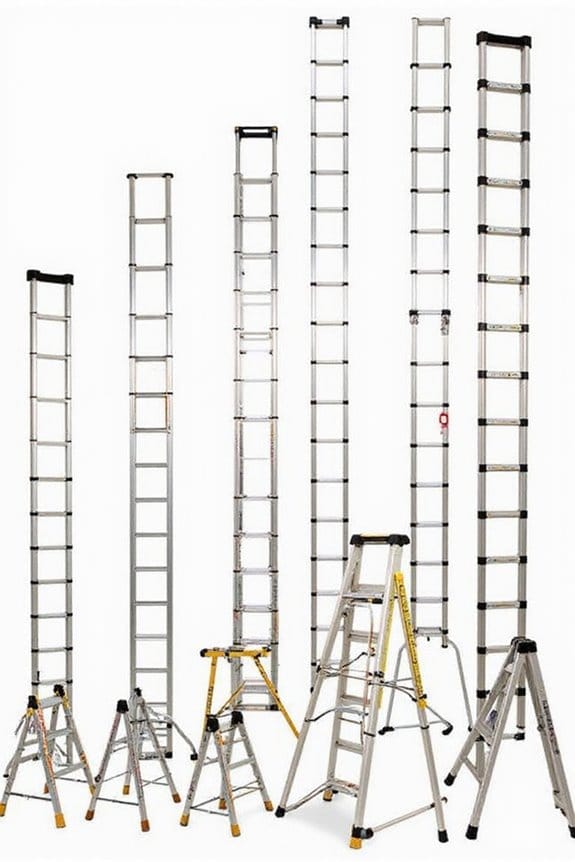
When it comes to ladder safety, understanding the unique hazards associated with different ladder types is crucial. Here’s a quick rundown:
- Extension Ladder Safety: Often misused, these ladders can collapse if not locked properly, so always double-check those mechanisms.
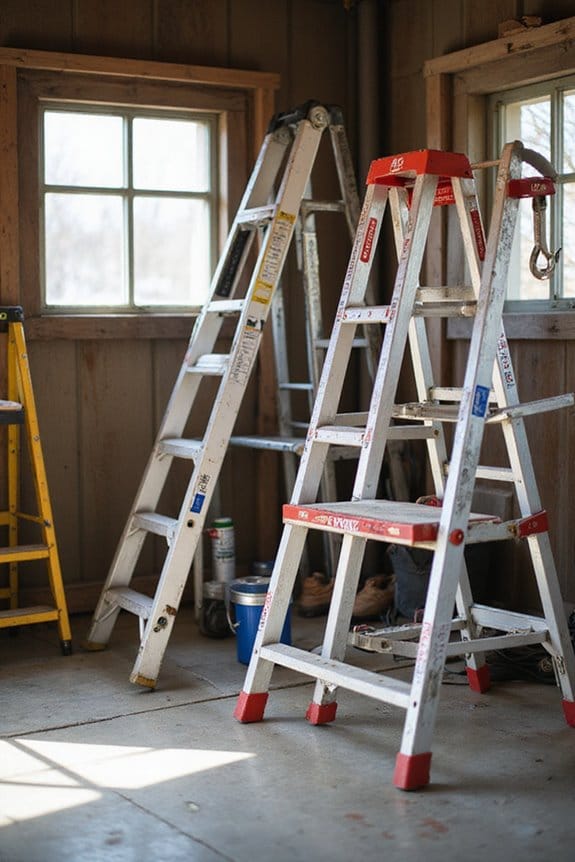
- Step Ladder Risks: Watch out for worn steps! Overreaching can tip you right over, so keep three points of contact—no acrobatics!
- Folding Ladder Maintenance: Regularly inspect joints and hinges. If they’re weak, you might as well be playing Jenga.
- Platform Ladder Precautions: Don’t get too comfy on those platforms; they can be slippery. Always verify they’re level.
- Specialty Ladder Usage: These can be tricky. If you’re unsure about the setup, get someone who knows! Additionally, always consider the weight capacity of your ladder to ensure safe usage.
Stay safe out there!
Recommended Products

Essential Roof Rubber Ladder Addition: for roof work, our stabilizer is a valuable addition to your tool set; Its proven ground grip prevents ladder movement, ensuring safer work; Size approx. 9.8 x 3.5 x 2.0 in / 25 x 9 x 5 cm; Fits rungs approx. 1.57 in / 4 cm wide, ideal for telescoping ladders; For wider rungs, measure before ordering to ensure proper fit and avoid issues

Designed to snap over extension ladder rail end caps

Super strength and stability: Our extension ladder accessories shoe kit made of heavy-duty steel also have rubber pads to prevent slippage,No matter what sort of ground you’re attempting to use this ladder feet on,Fits to most little giant ladder accessories and other
Common Causes of Ladder Falls
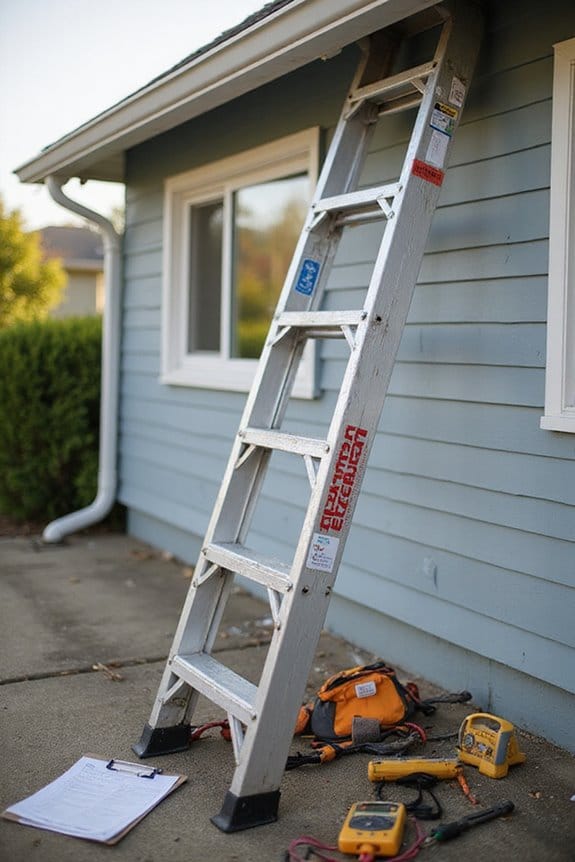
Ladder falls can happen faster than you might think, often due to a mix of common mistakes and oversights. Here are some common causes:
- Improper Setup: If your ladder’s not at a 75-degree angle, it could slide out at the base, leading to a nasty fall.
- Damaged Ladders: Using broken or worn ladders? That’s a recipe for disaster. Always perform ladder inspections before use!
- Human Error: Overreaching or carrying heavy loads can throw you off balance. It’s like trying to juggle while riding a unicycle—don’t do it!
- Environmental Factors: Slippery surfaces or obstacles can trip you up.
Additionally, ensure your ladder has stability features to reduce the risk of accidents while in use.
Injury Statistics and Consequences of Ladder Accidents

Accidents involving ladders can lead to some pretty serious consequences, and it’s essential to understand the statistics behind them. Did you know that ladder fall statistics show around 161 fatal work injuries happened in 2020 alone? That’s not just numbers; it’s real lives affected. Here are a few key points to reflect on:
- Over 22,710 workplace injuries annually are related to ladders.
- Ladder falls account for nearly 20% of all fall injuries, especially in construction.
- Long-term consequences often include disabilities and financial strain for injured workers.
Unsafe Ladder Setup Conditions
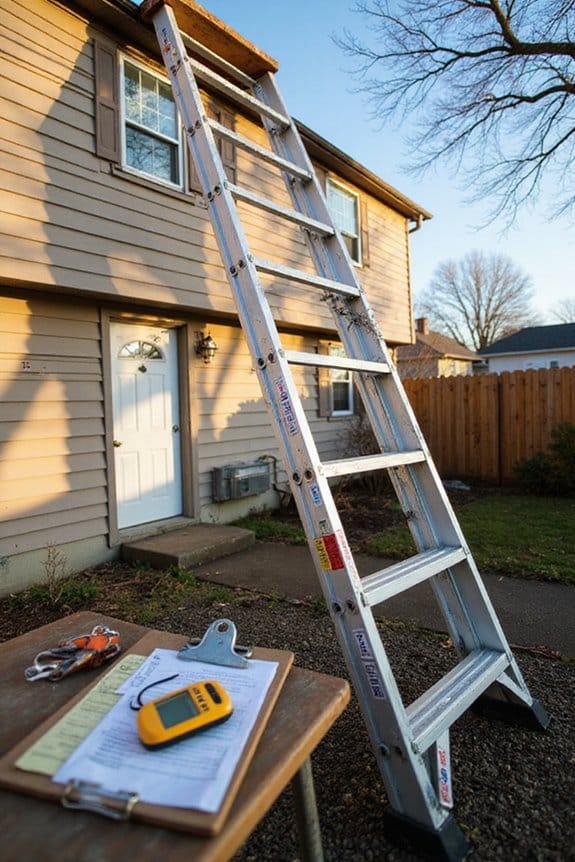
Setting up a ladder might seem straightforward, but it’s crucial to pay attention to a few key factors to verify your safety. Here are some unsafe ladder setup conditions to avoid:
- Uneven Surface: Always check for stable ground. Avoid dirt, gravel, or grass that can shift under your weight.
- Improvised Supports: Don’t use boxes or barrels to increase height. They’re more trouble than they’re worth!
- Ladder Placement: Maintain a proper angle, ideally a 4:1 ratio, and verify it’s clear from traffic.
- Electrical Hazards: Keep the ladder away from power lines and use non-conductive materials when needed.
Additionally, ensure that you are using a ladder with anti-slip pedals to enhance stability and reduce the risk of accidents.
Recommended Products

It has been designed to secure ladders on slimy wet Decking and grass
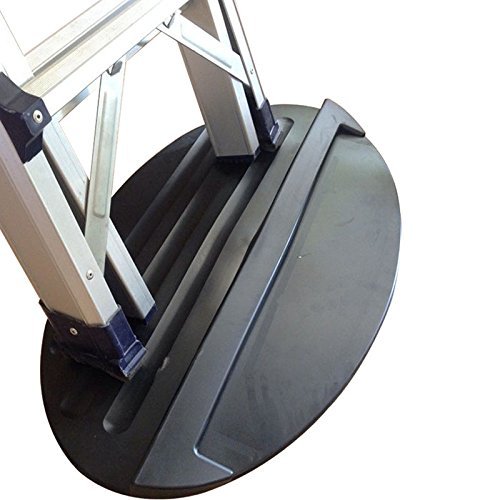
It is made of soft rubber and is fitted to the ground in large area. It provides strong friction to the ladder, so that the ladder will not slip and cause physical injury.

【Safety Guardian, Steady Climbing】SMOQIO ladder stabilizer features U-shaped 304 stainless steel bolts for easy installation(max rung height: 1.69in). 5.75lbs lightweight single-tube designreduces top-heavy risks. L-shaped curved arm enhances lateral stability, minimizing wobbling and tilting
User Behavior and Compliance Failures
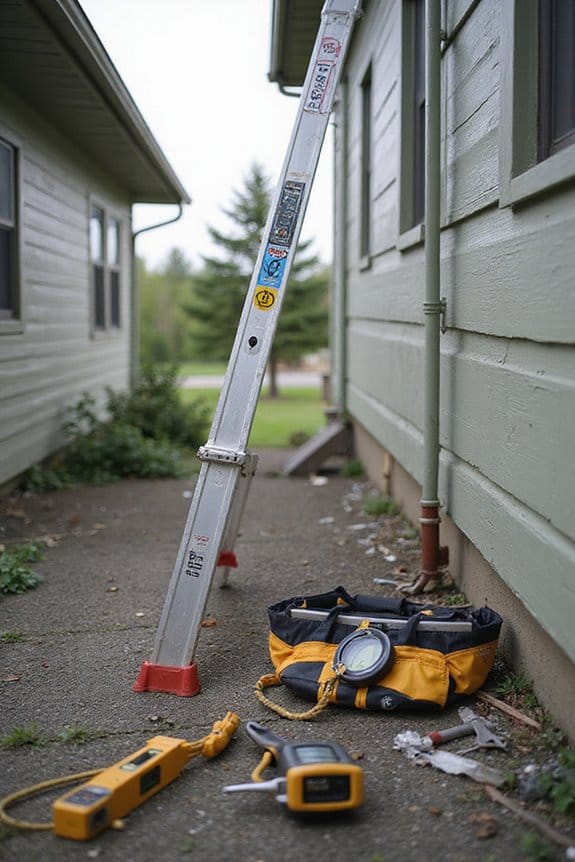
When it comes to using a ladder, understanding user behavior and compliance failures can make all the difference in keeping safe. Here are a few key points to contemplate:
- Incorrect Ladder Selection: Choosing the wrong ladder type can lead to accidents. Always match the ladder to your task and weight.
- Neglecting Inspections: A quick check for cracks or missing parts can save your life. Don’t skip this step!
- Climbing Practices: Always maintain three points of contact. Leaning or overreaching? Bad idea!
- Lack of Training: If you don’t know the rules, you can’t follow them. Get educated!
- Task Preparation: Clear the area around your ladder. A cluttered space is an accident waiting to happen!
- Load Capacity Awareness: Always ensure that the ladder you are using has a suitable load capacity rating to prevent accidents related to overloading.
Environmental and External Factors Affecting Ladder Safety
While using a ladder might seem straightforward, there are several environmental and external factors that can turn a simple task into a risky situation. Here are a few to keep in mind:
- Weather Impacts: Rain, snow, and wind can make rungs slippery and destabilize your ladder. Always check the conditions before climbing.
- Surface Conditions: Verify the ground is firm and level. Soft or uneven ground can cause your ladder to tip or sink.
- Lighting: Poor visibility can hide hazards. If it’s dark, don’t hesitate to grab a flashlight.
- Obstructions: Clear clutter around the ladder base. You’ll want to avoid tripping while juggling tools.
Being aware of these factors can help you stay safe. After all, a little caution goes a long way!
Importance of Proper Ladder Maintenance
Maintaining your ladder might not seem like a top priority, but trust me, it can make all the difference between a routine task and a trip to the ER. Here’s why proper ladder maintenance is essential:
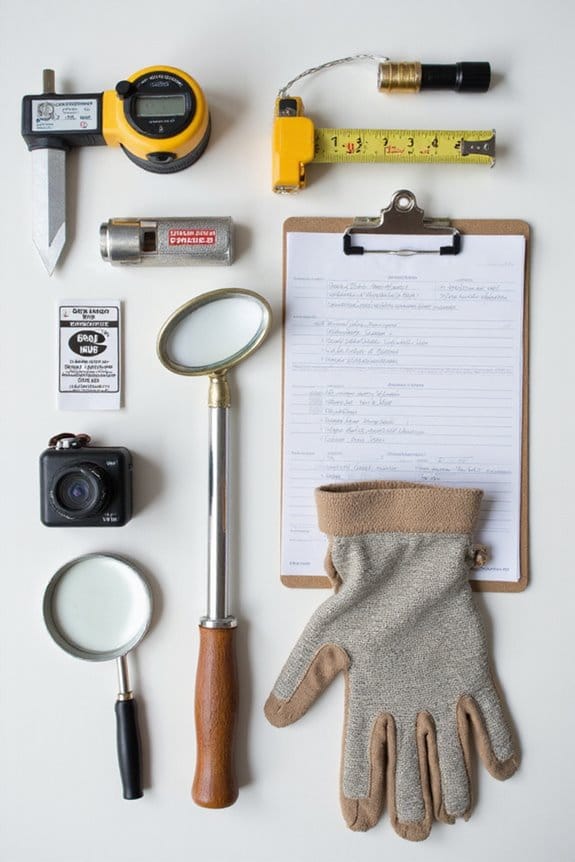
- Regular Ladder Inspection: Check for loose steps, damaged rungs, and secure hardware before each use. A quick glance can prevent a nasty fall.
- Cleanliness Counts: Remove dirt or grease that could cause slips. A clean ladder is a safe ladder.
- Keep Track: Document inspections and repairs. This helps you stay aware of any issues.
- Store Wisely: Keep your ladder in a dry place to avoid rust and decay. Additionally, ensure that you are aware of the ladder’s weight capacity to prevent overloading it, which is crucial for safety.
Recommended Products

You will receive 120 Pcs red ladder inspection labels, enough for you to check that the machine is in good condition and for recording maintenance or inspection.

Visible and Effective - Double-sided ladder safety inspection tags are used to clearly record your most recent inspection
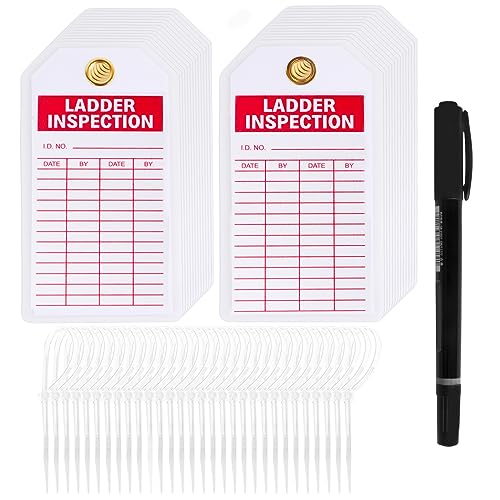
HEAVY DUTY: The ladder inspection record tag is printed quality 90 percent post-consumer recycled paper sealed in a write on matte finish polyester pouch with a 3/8" grommet, the brass grommet is for added strength and is large enough to accept most locks, heavy duty construction holds up to 80 lbs of pull force, preventing accidental removal
Safety Equipment and Accessories for Ladder Use
Using safety equipment and accessories can transform ladder use from a risky endeavor into a much safer task. Here are some essentials I recommend for improving ladder stability:
- Ladder Levelers: Adjusts the base for uneven ground, cutting down on wobbling.
- Stabilizer Bars: Increases the footprint to prevent side-to-side sway.
- Tie-Off Kits: Essential for securing harnesses and preventing falls.
- Anti-Slip Pads: Enhance grip on slick surfaces, reducing slip hazards.
- Work Platforms: Offer a stable standing area for those longer tasks.
Recommended Products

Upgraded Design: Simplified frame to reduce weight at the top of the ladder after installation. Telescopic structure to fit most ladders. Improved double-locking design replaces the old hook fixing method, ensuring a tighter fit between the ladder stabilizer and the ladder, preventing swaying at heights.
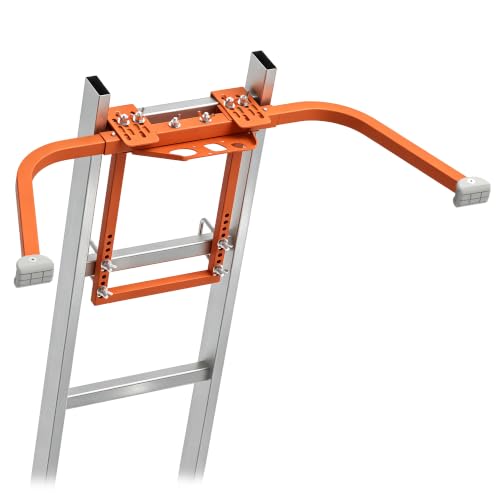
Latest Innovative Patent Design: Ladder stabilizer from Our experienced designers, after conducting market research on user needs, have designed this easy to install ladder stabilizer. There are a total of four fixed points on the two steps, top, bottom, left, and right, Four corner four position fixed structurewhich provide excellent stability and allow users to use it safely and confidently.Make the ladder more stable.Fits little giant ladder and other, ladder roof stabilizer (Patent No: US D1,080,919 S)

【Safe and Reliable Ladder Stabilizer】Our ladder stabilizer significantly enhances stability and safety during extension work, providing reliable support for obstacles like windows and gutters to prevent swaying. Adjustable U-bolt make it suitable for most ladders.
Training and Awareness for Ladder Safety
When it comes to ladder safety, proper training can truly make all the difference between a safe day at work and an accident waiting to happen. Here are some key points to reflect on about ladder training and safety awareness:
- Training Saves Lives: Over half of ladder accidents could be avoided with proper training. That’s a staggering statistic!
- Ongoing Education: Ladder safety training shouldn’t just be for new hires. Regular refreshers keep everyone sharp and aware.
- Hands-On Learning: Combining classroom instruction with practical demonstrations makes safety protocols stick better.
- Culture of Safety: Encourage everyone to report hazards. When we all look out for each other, we create a safer work environment.
Best Practices for Safe Ladder Use
While it may seem straightforward, safe ladder use requires careful attention to detail. Here are some best practices I always follow:
- Ladder Inspection: Before using a ladder, check for any damage. Look for loose rungs or missing bolts—better safe than sorry!
- Proper Setup: Position your ladder on stable ground. Avoid soft or slippery surfaces, and extend it at least three feet above the landing.
- Climbing Techniques: Maintain three-point contact at all times. This means two hands and one foot, or two feet and one hand. Always face the ladder!
- Avoid Prohibited Practices: Don’t lean outside the side rails, and never shift the ladder while on it.
Following these tips can make all the difference. Stay safe out there!
Recommended Products
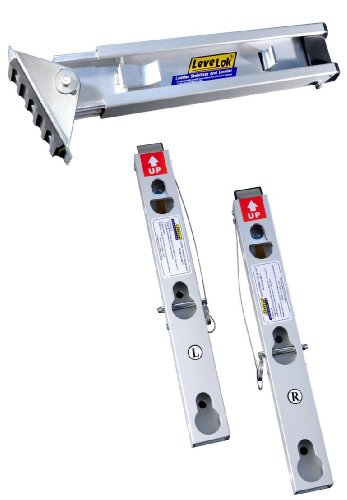
Quick Connect Ladder Leveler Kit, contains 1 leveler and 2 base units.

Enhanced Stability & Safety: Our 2-pack aluminum extension ladder shoe kit features durable construction with rubber anti-slip pads, providing a secure grip on surfaces like concrete, grass, and snow for safer use.

Frequently Asked Questions
How Often Should Ladders Be Inspected for Safety?
When it comes to ladder maintenance, I recommend inspecting ladders at least annually. However, inspection frequency should increase based on usage and environmental conditions to guarantee safety and reliability every time you use them.
What Type of Ladder Is Best for Heavy-Duty Tasks?
When I think about heavy-duty ladders, I remember my first project. Fiberglass and aluminum are my go-tos for their strength and lightweight nature, ensuring I can tackle demanding tasks safely and efficiently every time.
Can I Use a Ladder on Stairs?
I wouldn’t recommend using a ladder on stairs unless it’s specifically designed for it. Ensuring ladder stability is essential for stair safety, so I always opt for specialized equipment to avoid accidents.
What Is the Safest Way to Store a Ladder?
Did you know over 50% of ladder injuries occur due to improper storage? I always prioritize ladder storage and maintenance by keeping them clean, dry, and stored securely to guarantee safety and longevity for future use.
Are There Age Restrictions for Ladder Use?
When it comes to ladder age restrictions, there aren’t strict federal guidelines. Instead, safety regulations emphasize training and supervision, especially for younger users. It’s vital to prioritize safety over age when using ladders.