As an Amazon Associate, we earn from qualifying purchases. Some links may be affiliate links at no extra cost to you. Although our opinions are based on curated research, we haven't used these products. Articles generated with AI.

How Do Home Security Systems Work?

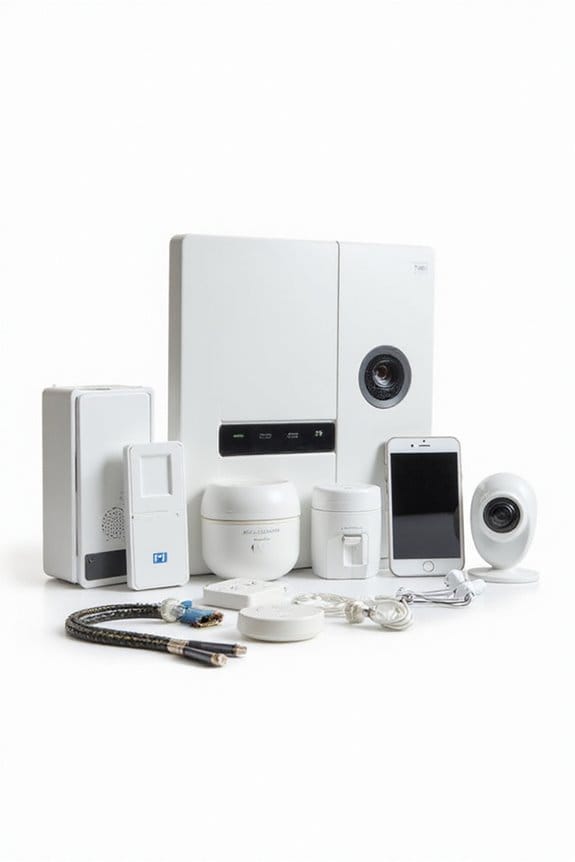
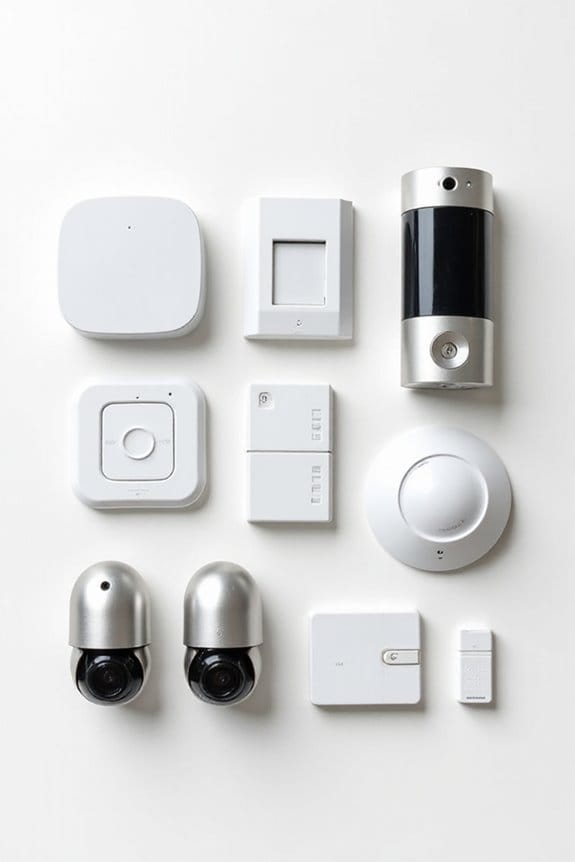
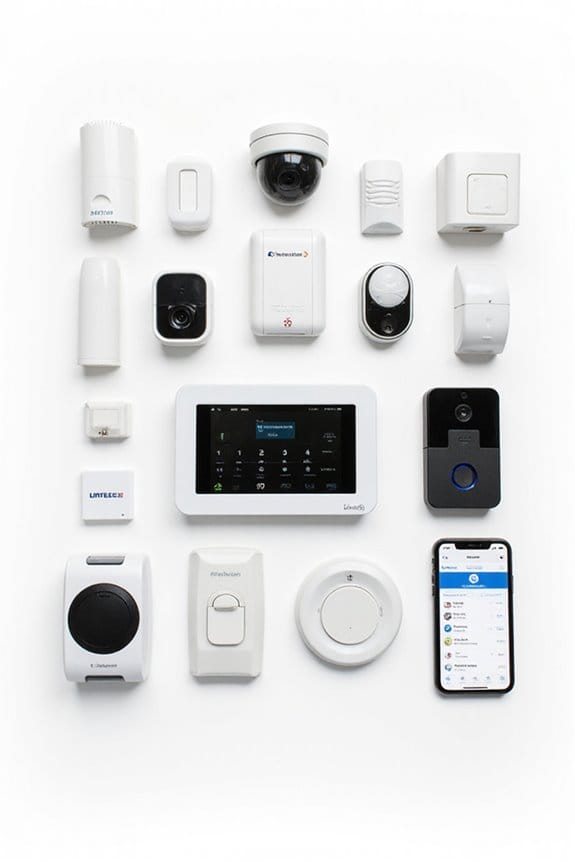
Home security systems work by connecting various devices to safeguard your home. Here’s how they do it: 1) The control panel acts as the brain, processing signals and sending alerts. 2) Motion sensors detect movement and can trigger alarms. 3) Door and window sensors secure entry points and notify you of breaches. 4) Security cameras monitor key areas and capture activity. 5) Alarm sirens deter intruders and send notifications. There’s a lot more to explore about enhancing your safety!
Key Takeaways
- Home security systems use a control panel to arm and disarm the system and process signals from various sensors.
- Motion sensors detect movement and trigger alarms or alerts, ensuring continuous monitoring.
- Door and window sensors utilize magnetic circuits to detect openings, providing the first line of defense against intrusions.
- Security cameras enhance protection by capturing real-time footage and offering HD resolution and night vision capabilities.
- Alarm sirens emit loud sounds to deter intruders and can send alerts via phone calls or notifications to users.
Understanding the Control Panel
You may be interested


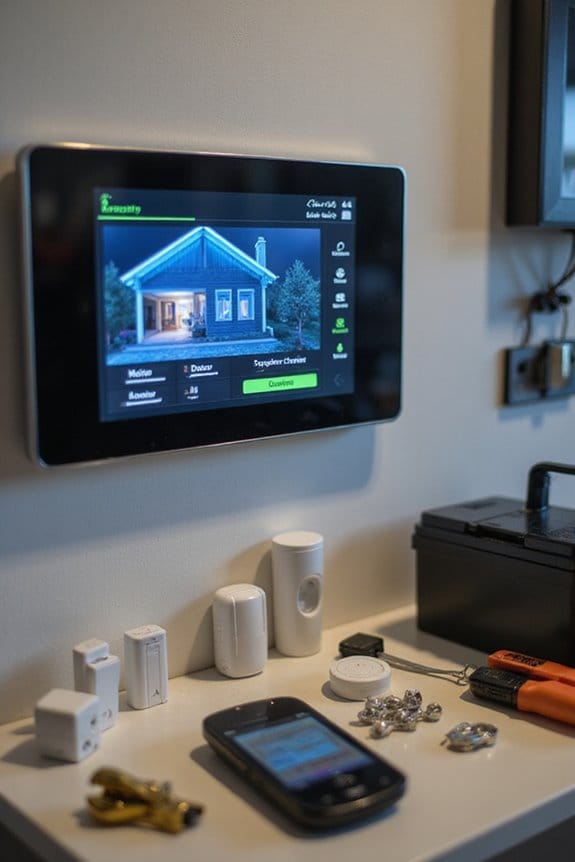
When you think about a home security system, the control panel is kind of like the brain that keeps everything running smoothly. Here’s what makes it essential:
- Control Panel Features: It allows you to arm and disarm the system, process signals from sensors, and send alerts when needed. Those LED indicators? Super handy for checking status at a glance!
- System Connectivity: The control panel connects wirelessly or through wired networks to all your sensors and cameras, making sure everything’s in sync. Plus, with remote access via smartphone apps, you can monitor your home even when you’re out and about. Additionally, many systems offer real-time alerts through mobile applications, enhancing your awareness of any potential security events.
The Role of Motion Sensors
Think of motion sensors as the vigilant sentinels of your home security system. They’re designed to detect movement using advanced motion detection technology. Here’s how they work:
- Alert System: When they sense movement, they trigger alarms or send alerts to you or security personnel.
- Camera Activation: They can also activate cameras to capture evidence of any suspicious activity.
- Continuous Monitoring: Motion sensors operate round-the-clock, providing peace of mind without needing your supervision. Additionally, expandable systems allow you to easily add more sensors for comprehensive coverage throughout your home.
For effective security, consider sensor placement strategies to cover entry points and minimize blind spots. Adjusting sensitivity can help avoid pesky false alarms from pets. It’s like having a watchful eye that never blinks—definitely a worthwhile addition to your home security arsenal!
Importance of Door and Window Sensors
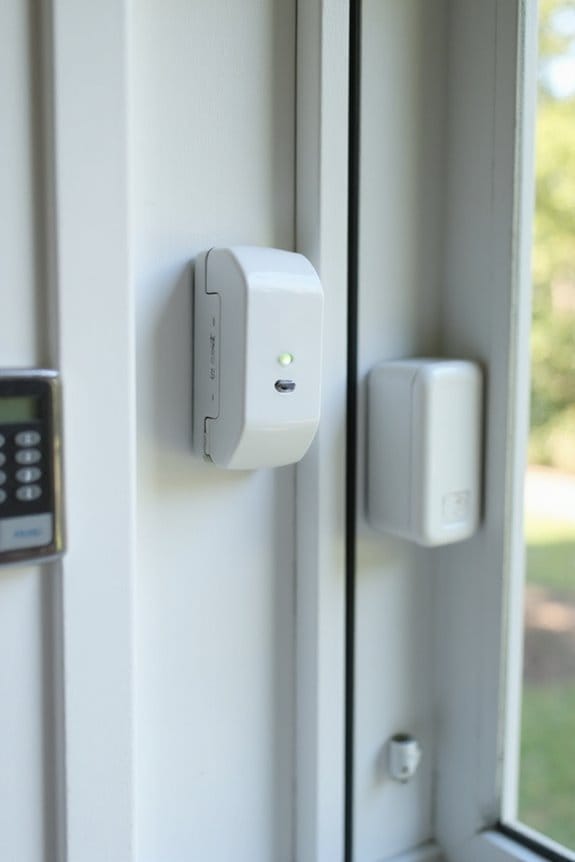
While it might seem like an afterthought, door and window sensors play an essential role in keeping your home safe and sound. These sensors, which come in various types, are your first line of defense against intrusions. They work by creating a magnetic circuit: when a door or window opens, the circuit breaks, sending an alert straight to your security system.
Here are some installation tips to ponder:
- Positioning: Install on frequently used entry points like front doors and ground-floor windows.
- Ease of Setup: Most sensors are tool-free and can be set up quickly.
- Wireless Options: Look for battery-powered models for flexibility and low maintenance. Additionally, many systems offer expandable options that allow for the addition of sensors as security needs change.
Utilizing Security Cameras
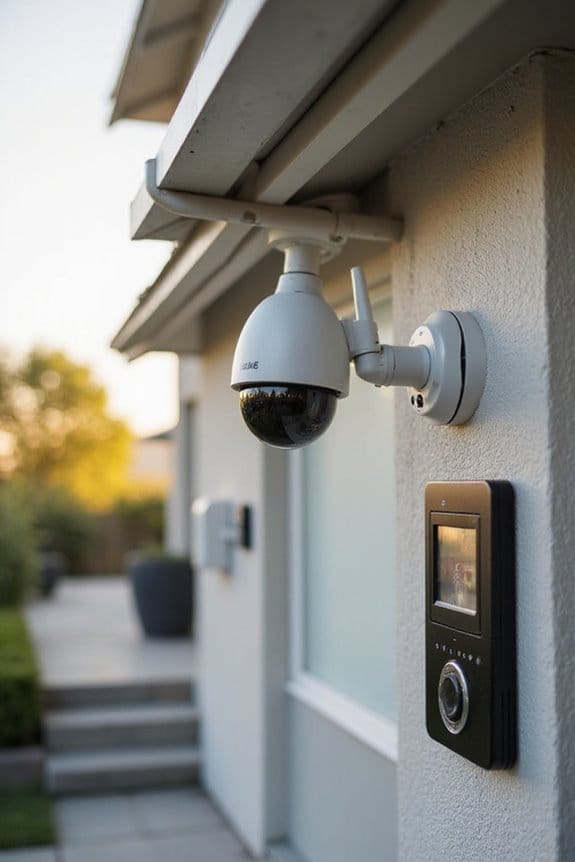
Home security doesn’t stop at door and window sensors. Utilizing security cameras can greatly enhance your home’s protection. Here are some key points to reflect on:
- Camera Placement: Position cameras at entry points and high-traffic areas. This guarantees you capture essential footage without blind spots.
- Types of Cameras: Choose from bullet, dome, or PTZ cameras based on your needs. Each has unique advantages for different environments.
- Surveillance Benefits: With HD resolution and night vision, you can monitor your home day or night. Plus, remote access through your smartphone adds convenience. Additionally, many modern cameras feature AI motion detection to reduce false alarms and improve security effectiveness.
Recommended Products

【2K High Definition】Capture every detail inside your home with crystal-clear 2K high definition video with this indoor security camera. Easily see what your baby is holding or what your pet is playing with.Controller Type:Amazon Alexa;Android;Google Assistant.Connectivity protocol:Wi-Fi.Power source type:Corded Electric, Power Adapter: 100–240 V. Connects via 2.4GHz Wi-Fi Band

【2K Resolution & Color Night Vision】This 2K Ultra HD security camera is designed for indoors and outdoors. You can choose to install indoor and outdoor cameras for home security in the kitchen, living room, bedroom, baby room, yard, garage, etc. You can not only capture high-definition surveillance footage through the security camera outdoor during the day, but also see colorful images at night. The outdoor camera provides comprehensive and multi period services for your home security.
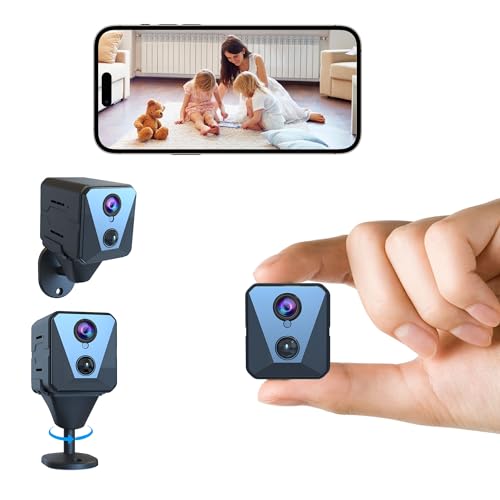
【Why choose us?】Newly upgraded indoor camera in 2025, 4K UHD picture quality and video quality, 100 days of ultra-long standby life, free cloud storage trial, timely push notifications for motion detection, 24-hour online customer service.
Alarm Sirens and Notification Systems
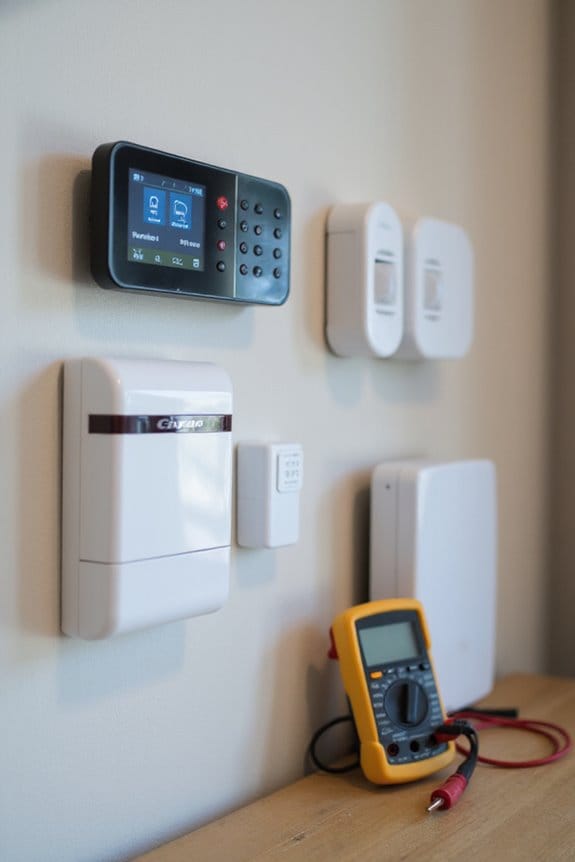
Ever wondered how alarm sirens and notification systems can bolster your home security? Let me break it down for you.
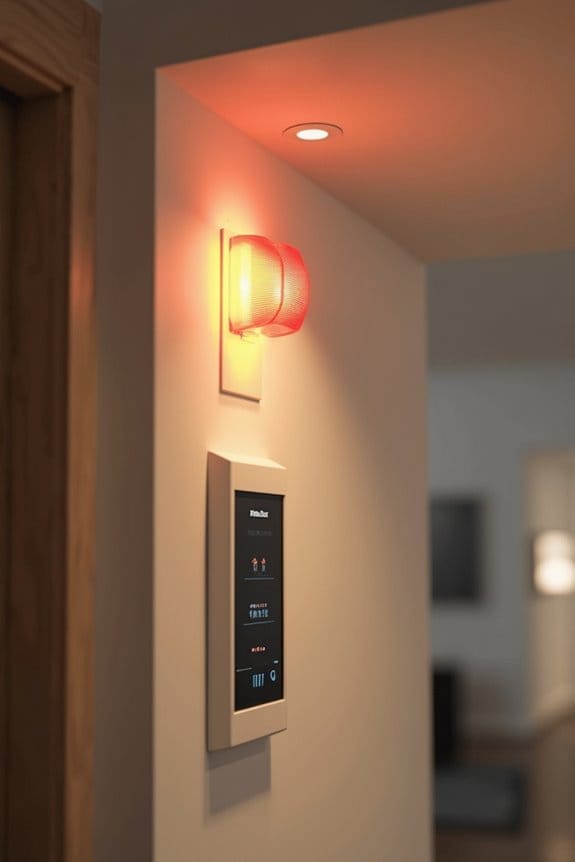
- Sirens Effectiveness: They emit sounds over 85 decibels, startling intruders and discouraging break-ins. Some even flash lights for added attention.
- Notification Reliability: When an alarm triggers, you’ll receive alerts via phone calls, SMS, or push notifications. This keeps you updated in real-time, allowing for quick responses.
- Integration: Many systems connect to professional monitoring services, ensuring authorities are notified when needed.
- Control Panels: These act as your command center, managing alerts and siren activation.
- Expandability: Some systems, like the X-Sense Smart Home Security System, allow for future additions, enhancing your security setup over time.
With the right setup, you’ll feel secure knowing your home is well-guarded. Plus, nothing says “stay away” like a loud alarm!
Recommended Products

A great fit for 2-4 bedroom homes, this Alarm Kit includes one Base Station, two Keypads, eight Contact Sensors, two Motion Detectors, and one Range Extender.

Control your home security system with ease using the app remote control feature, giving you peace of mind even when you're away.

ATTENTION-GRABBING: Extremely loud 120dB alarm helps wake/alert homeowner or renter when door pressure is applied, helping deter intruder and possibly notifying neighbors (audible up to 1,500 feet/455-meters away)
Environmental Sensors for Added Safety
When it comes to enhancing your home’s safety, environmental sensors play a crucial role in protecting against threats that aren’t just about break-ins. Here’s how they help:
- Carbon Monoxide Detectors: These little heroes sense the odorless gas that can sneak up on you. You won’t smell it, but they’ll alert you before it becomes a problem.
- Water Leak Sensors: Placed near plumbing or appliances, these sensors catch leaks early, preventing water damage and mold. Trust me, you don’t want to deal with a flooded basement!
- Temperature Sensors: They monitor extreme temperatures to alert you to potential fires or freezing pipes.
Recommended Products
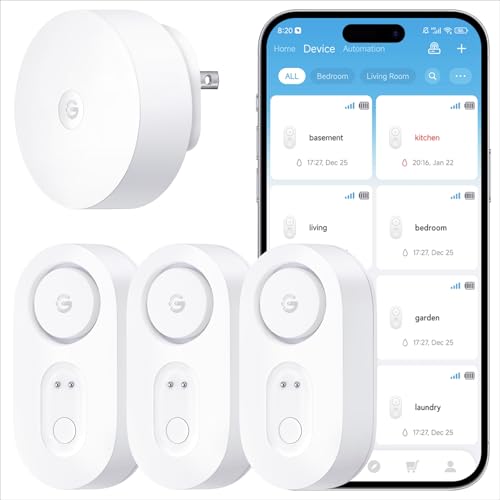
Breakthrough 1804 ft Connectivity: Engineered with advanced Sub-1G long-range wireless tech, our leak detector maintains robust signals over unprecedented distances—reaching up to 1804 feet even through 5 dense walls. Secure every critical space in expansive properties, from deep basements to detached garages and distant outbuildings.

Leaking & Dripping: 2 water sensitive probes on the front for monitoring pipe/drain drip and 4 rear probes for detection water leak & floor moisture/flood. Both are work simultaneously, whatever leak sensors contact water, it will warning you in time.

6-Probe Detection from Above and Below: 2 upper probes detect dripping water, while 4 bottom probes sense pooling water as shallow as 0.4 mm, helping you identify small leaks around appliances, plumbing fixtures, and water lines
Wireless vs. Wired Security Systems
Choosing the right security system for your home can feel like steering through a maze. Let’s break down the options:
- Wired Security Systems
- Wired advantages include stable connections and fewer false alarms.
- They’re more secure against hacking since physical access is needed.
- However, they require professional installation and can be costly to modify later.
- Wireless systems offer flexibility and easier DIY installation.
- But, they come with wireless drawbacks like signal loss and battery dependency.
- Plus, they may require ongoing costs for cloud storage and maintenance.
In the end, weigh your priorities. Do you value stability or flexibility? Choose wisely!
Recommended Products

【Local & Remote Control】 The home security camera system support local view & control, no need WiFi. For remote control, support dual-band WiFi 2.4GHz/5GHz connectivity. WiFi pro technology offers 100ft installation distance, suitable for indoor/outdoor use.

Outdoor 4 is our most affordable wireless smart security camera yet, offering up to two-year battery life for around-the-clock peace of mind. Local storage not included with Sync Module Core.

Start Small, Expand Anytime: Choose a 2/4/6-cam kit to cover essentials or your entire property. Compact cameras fit key spots to reduce blind zones with minimal hassle, and you can add more cameras as your needs grow.
Integrating Smart Home Technology
Integrating smart home technology into your security system can feel like adding a cherry on top of an already great sundae. Here’s why it’s worth it:
- Smart Home Compatibility: Leading systems connect with thousands of Z-Wave devices, like smart locks and lights, creating a seamless experience.
- Ecosystem Integration: You can control everything—lights, thermostats, security sensors—from one platform, making life easier.
- Automation: Smart locks can auto-lock when you leave, and lights can mimic occupancy, enhancing security without you lifting a finger.
- Remote Monitoring: Access your cameras and control devices from anywhere, keeping your home secure even when you’re not there.
Recommended Products

Simple to set up. Seriously secure - Get ready to protect right out of the box. Just plug in the Base Station, download the SimpliSafe App, place your sensors, and start protecting your home. No wiring or drilling required. Or contact SimpliSafe directly if you need help installing your system.

A great fit for 1-2 bedroom homes, this kit includes one base station, one keypad, four contact sensors, one motion detector, and one range extender.

WIFI Network: WIFI connection, Only works on 2.4GHz WiFi network, does NOT support 5GHz WiFi networks.
Frequently Asked Questions
How Often Should I Test My Security System?
I test my security system monthly to guarantee its reliability. This testing frequency helps me catch any issues early, preventing false alarms or failures when I need protection the most. Consistency is key for peace of mind.
Can I Use My Existing Security Devices With a New System?
Absolutely, I’ve found that many existing security devices can work with new systems. It’s all about device compatibility and system integration. With the right adapters or hubs, you can make everything function together seamlessly.
What Happens During a Power Outage?
When power’s gone, it’s like a house without a heartbeat. Without power backup, my system’s reliability crumbles. Thankfully, with backup batteries, I can still trust my alarms and cameras to stand guard through outages.
How Do I Securely Dispose of Old Security Equipment?
When I securely dispose of old security equipment, I prioritize recycling electronics. I guarantee equipment safety by using certified services that securely destroy data, providing peace of mind while contributing to environmental sustainability.
Are Security Systems Covered by Homeowners Insurance?
When I installed my security system, my home insurance premium dropped by 10%. Many insurers offer premium discounts for such systems, making it a smart investment for both safety and savings. Always check with your provider!