As an Amazon Associate, we earn from qualifying purchases. Some links may be affiliate links at no extra cost to you. Although our opinions are based on curated research, we haven't used these products. Articles generated with AI.

What Causes Carbon Monoxide In Homes?

Carbon monoxide (CO) sneaks into our homes from various sources. Here are a few culprits: 1) Fuel-burning appliances (like gas stoves and water heaters) can emit CO if not vented well. 2) Space heaters, especially unvented ones, are risky indoors. 3) Idling vehicles in garages can trap CO. 4) Incomplete combustion during fires contributes too. I recommend checking your appliances and heating regularly. Curious about more safety tips? Stick around to find out!
Key Takeaways
- Gas-burning appliances, like stoves and heaters, can produce CO if not properly vented or maintained.
- Incomplete combustion from fuel-burning devices, such as space heaters and fireplaces, generates dangerous CO levels.
- Idling vehicles in garages can lead to CO buildup, especially in poorly ventilated spaces.
- Blocked vents or chimneys can trap CO indoors, increasing the risk of poisoning.
- Improper installation or neglect of gas appliances can result in exhaust leaks, allowing CO to enter homes.
Common Fuel-Burning Appliances as Sources
You may be interested


When it comes to carbon monoxide (CO) in our homes, fuel-burning appliances can be sneaky culprits. Here are some common gas appliances that might be adding CO to your indoor air:
- Gas Stoves and Ovens: They produce CO during combustion, especially with improper ventilation. Keep those burners well-maintained!
- Gas Clothes Dryers: A blocked vent can let CO sneak into your home. Regular checks can help.
- Water Heaters: These can be silent CO sources if not properly vented. Routine servicing is essential.
- Fireplaces: Both gas and wood-burning types can emit CO. Don’t forget to clean those chimneys!
Using CO detectors near these appliances is a simple way to stay safe. Trust me, it’s worth it!
Recommended Products

Please Note: SC01 is a basic standalone unit; it does not support wireless interconnection, does not have Wi-Fi, and cannot be used with a base station; for interconnection, search for SC01-W

Please Note: The SC07 is a basic standalone unit. It does not support wireless interconnection, Wi-Fi, or base station connection; for wireless interconnection, search for SC07-W
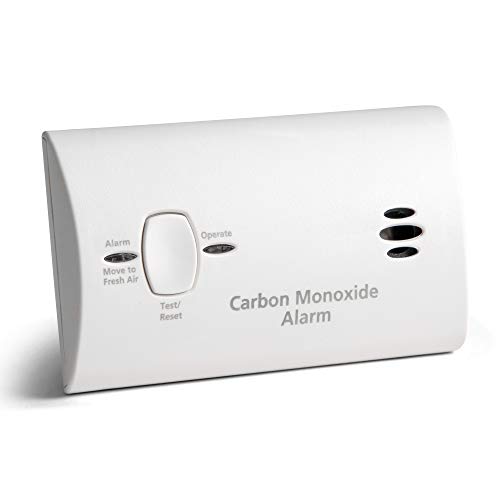
Electrochemical sensor technology detects CO gas
Space Heaters and Heating Equipment
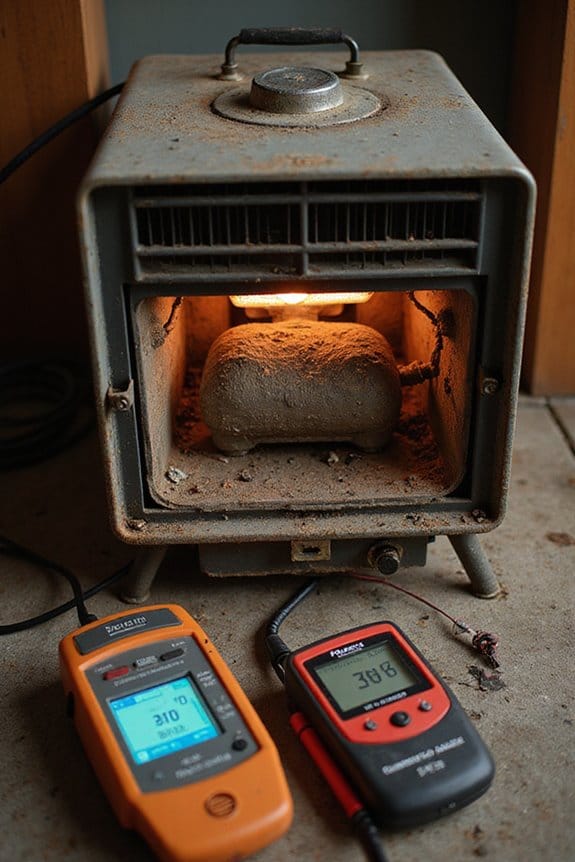
Space heaters and heating equipment can be lifesavers during chilly months, but they come with some hidden dangers, especially carbon monoxide (CO) risks. Here’s what you need to know about space heater safety:
- Know Your Heater: Non-electric space heaters can produce CO if they burn fuel incompletely. Stick to electric options if you can.
- Ventilation is Key: Never use unvented propane heaters indoors without proper ventilation—they’re a recipe for disaster!
- Stay Alert: Make sure you have working carbon monoxide detectors in your home. They’re your first line of defense against undetected CO buildup.
Recommended Products
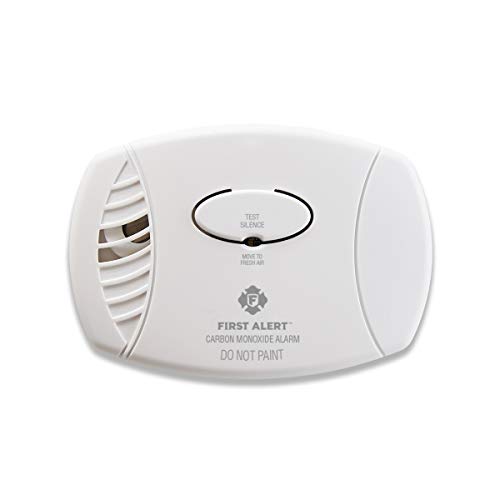
Keep your family safe with this easy to use plug in carbon monoxide alarm; It works with any standard outlet and also has a battery backup for continuous monitoring of Carbon Monoxide levels, even if there's a power failure
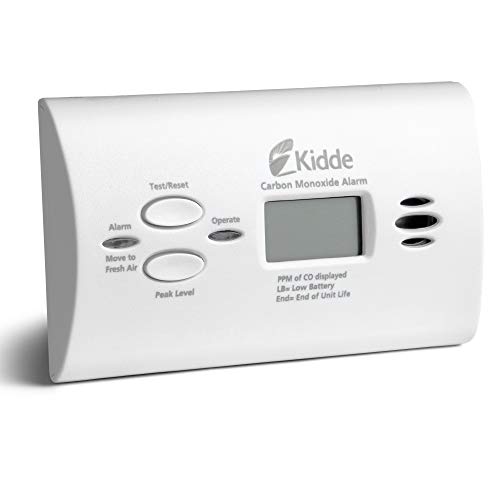
Electrochemical sensor technology detects CO gas
Keep your family safe with this easy to use, battery operated carbon monoxide alarm; Battery powered alarms provide continuous monitoring of CO levels, even if there's a power failure
Vehicle and Garage-Related Sources
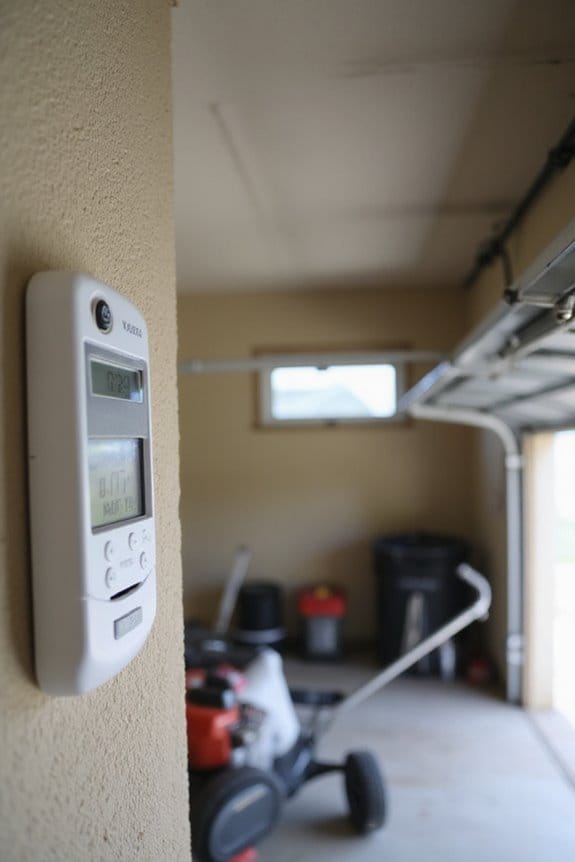
While space heaters keep us warm, there’s another potential source of carbon monoxide lurking right in our garages. It’s the vehicle emissions from our cars! Here’s what you need to know:
- Idling Risks: Running your car in a garage, even with the door open, can still trap CO.
- Ventilation Matters: Poor garage ventilation allows CO to build up, increasing health risks.
- Sealing Gaps: Make sure your garage-to-house doors are well-sealed to prevent CO from sneaking inside.
- Maintenance Counts: Regularly check your vehicles for exhaust leaks; they can be sneaky offenders.
Recommended Products
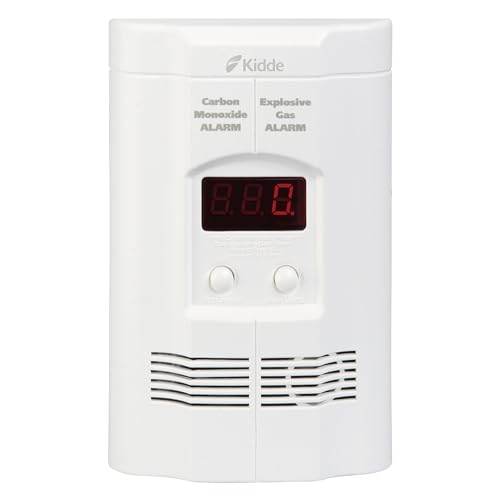
Easy Installation - simply plug-in to a standard, 120V outlet in your home

Easy Installation - simply plug-in to a standard, 120V outlet in your home
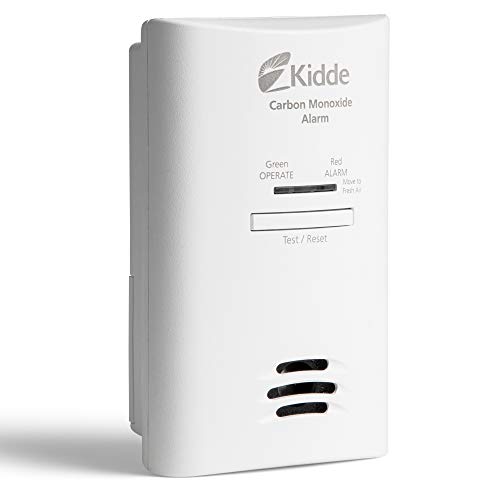
Easy Installation - simply plug-in to a standard, 120V outlet in your home
Fires and Combustion Processes
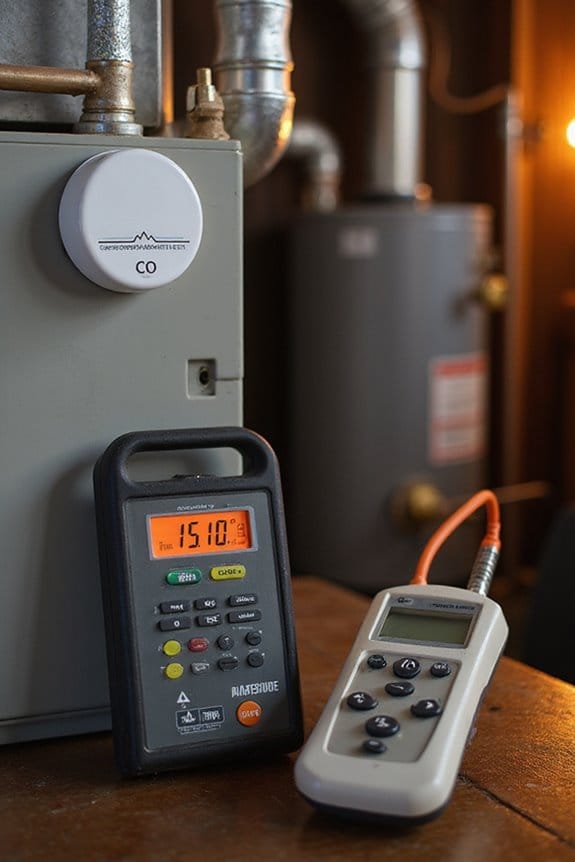
Fires and combustion processes in our homes are often more than just sources of warmth; they can also be hidden culprits of carbon monoxide (CO) production. Here are a few things to keep in mind about fireplace safety and combustion efficiency:
- Incomplete Combustion: When fuels like wood or gas don’t burn completely, CO is produced. Make certain your appliances are well-ventilated.
- Airflow Restrictions: Blocked chimneys or vents can trap CO. Regular maintenance is key!
- Portable Heaters: Using them indoors? Be careful—these can emit dangerous CO levels.
- Oxygen Supply: Confirm there’s enough oxygen for complete combustion. Poor airflow raises CO risk.
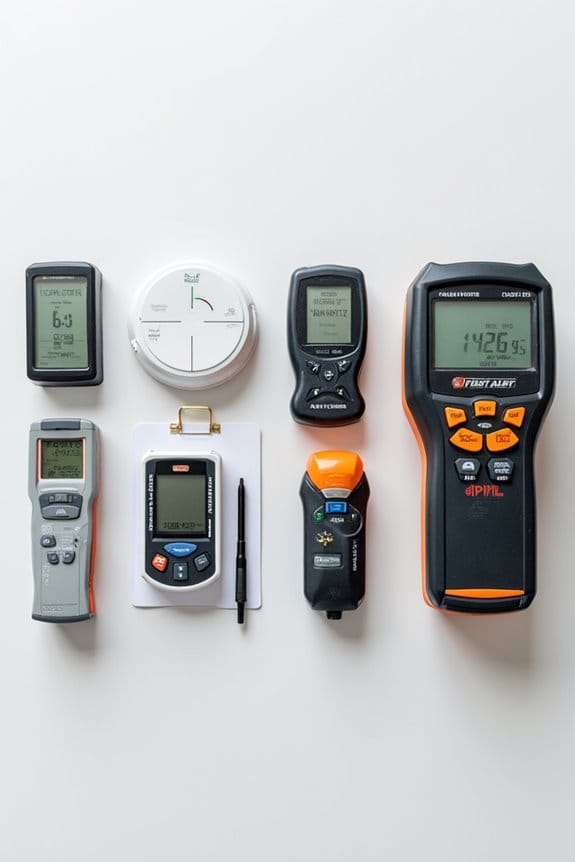
Additionally, understanding the detection technology types used in carbon monoxide detectors can help you choose the right device for monitoring CO levels effectively.
Keeping these points in mind can help you enjoy a cozy home without the worry of CO sneaking in. Stay safe!
Installation and Maintenance Issues
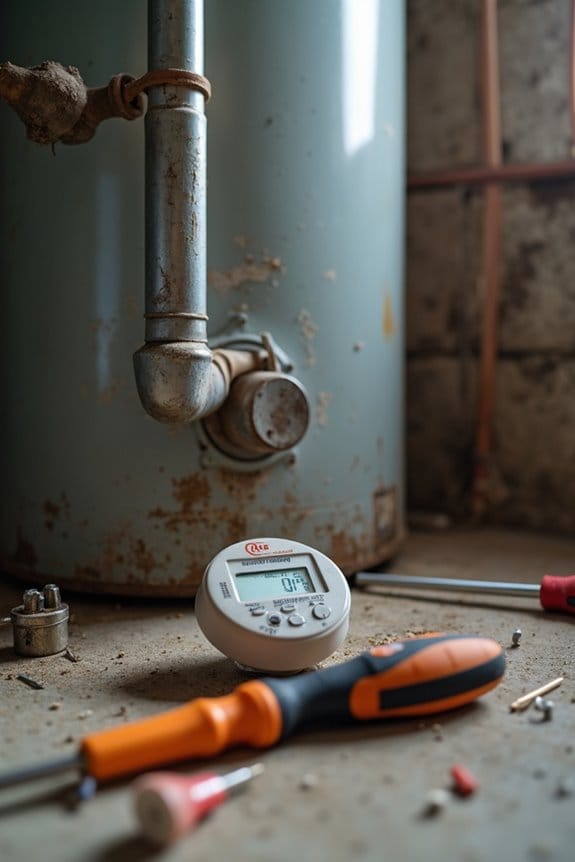
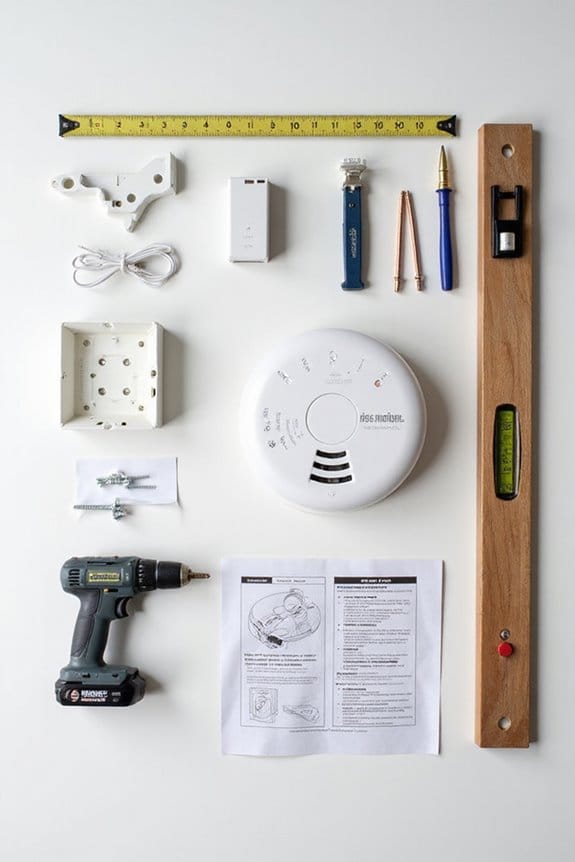
When it comes to keeping our homes safe, proper installation and maintenance of fuel-burning appliances are essential. Here are some key points to take into account:
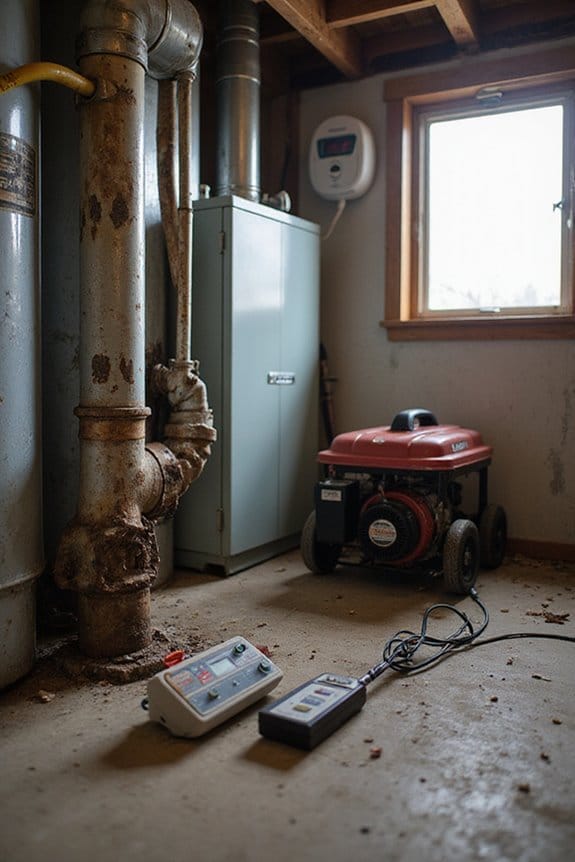
- Improper Installation: If gas appliances aren’t installed correctly, like flue pipes, you might end up with exhaust gases leaking into your home instead of venting outside. Yikes!
- Maintenance Neglect: Ignoring regular inspections can lead to rust and soot buildup, signs of potential CO leaks. Trust me, you don’t want that!
- Blocked Vents: Make sure your vents are clear of debris or nests. Blocked vents can trap CO indoors, raising levels dangerously.
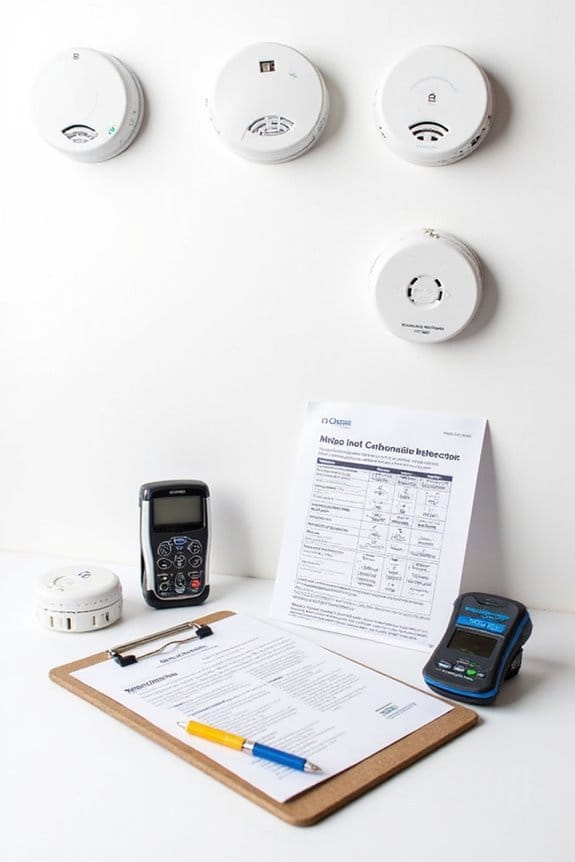
- CO Detectors: Always have CO detectors installed. They’re your best friend in catching leaks early. Additionally, look for detectors with advanced sensing technology to minimize false alarms and ensure reliable performance.
Recommended Products

Please Note: The SC07 is a basic standalone unit. It does not support wireless interconnection, Wi-Fi, or base station connection; for wireless interconnection, search for SC07-W

DETECTS CARBON MONOXIDE: Model COB monitors CO and sounds a loud 85 dB alarm to signal evacuation to fresh air; LED warning light indicates hazard; Test/Hush button allows quick checks or temporary silencing

Please Note: The SC07 is a basic standalone unit. It does not support wireless interconnection, Wi-Fi, or base station connection; for wireless interconnection, search for SC07-W
Frequently Asked Questions
Can Carbon Monoxide Detectors Prevent CO Poisoning?
Like a guardian angel, carbon monoxide detectors can indeed prevent CO poisoning. With proper detector placement and diligent alarm maintenance, I’ve learned they’re essential for safety, alerting us to danger before symptoms arise.
What Are the Symptoms of Carbon Monoxide Poisoning?
When I think about symptoms awareness, I realize that headache, dizziness, and nausea are early poisoning signs. It’s essential to recognize these symptoms quickly to prevent serious health risks from carbon monoxide exposure.
How Often Should CO Detectors Be Replaced?
I always check my CO detector’s lifespan; it’s essential to replace them every 5 to 7 years. Staying aware of replacement frequency guarantees my home remains safe from carbon monoxide dangers. It’s just smart practice.
Is Carbon Monoxide Harmful to Pets?
Did you know that carbon monoxide can be lethal to pets in just minutes? I’ve learned that the effects can be severe, so ensuring pet safety with detectors is vital for our furry friends’ well-being.
What Should I Do if My CO Alarm Goes Off?
If my CO alarm goes off, I immediately evacuate to fresh air, alert everyone, and call emergency services. I know that quick emergency actions can save lives, so I don’t hesitate to act.