As an Amazon Associate, we earn from qualifying purchases. Some links may be affiliate links at no extra cost to you. Although our opinions are based on curated research, we haven't used these products. Articles generated with AI.

Can Home Inspection Be Done In Bad Weather?

Absolutely, home inspections can happen during bad weather! In fact, rain can help spot leaks and other issues. However, snow and ice bring challenges like hidden roof damage and slippery surfaces. Extreme heat can mislead inspectors due to material expansion. It’s essential to think safety first, using the right gear and taking breaks. Depending on your region, you might need to adapt your approach. Stick around, and I’ll share more tips to navigate these weather quirks effectively!
Key Takeaways
- Home inspections can be performed in rainy weather, as it reveals leaks and issues more effectively than dry conditions.
- Snow and ice present challenges, often hiding roof damage and increasing slipping hazards, making thorough inspections difficult.
- Extreme heat can lead to material expansion, risking missed structural issues and inspector fatigue during inspections.
- Inspectors should use proper safety gear and tools, like moisture meters, to ensure safety and accuracy in adverse weather.
- Regional weather conditions should guide inspection scheduling and techniques to address specific challenges effectively.
The Advantages of Inspecting During Rainy Weather
You may be interested
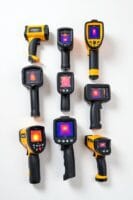
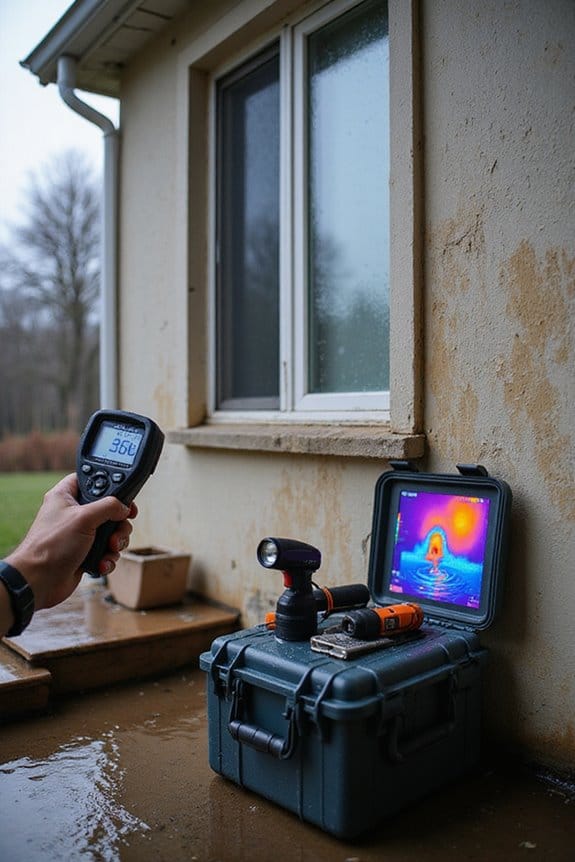
When it rains, it pours—and that’s actually a good thing for home inspections! I’ve discovered that rainy inspections can be incredibly beneficial. Here are a few reasons why:
- Leak Detection: Water intrusion spots become more visible during rain, making it easier to spot roof leaks or issues around chimneys and vents.
- Seal Integrity: Rain forces water against windows and doors, revealing any leaks or drafts that need attention.
- Gutter Performance: You can see if gutters and downspouts effectively channel water away, spotting blockages or overflow right away.
- Foundation Grading: Rain helps identify grading problems, showing if water flows toward the foundation instead of away.
- Additionally, conducting inspections in wet conditions can enhance the ability to spot wide detection ranges of potential leaks and issues that might not be visible in dry weather.
Recommended Products

Professional AC Leak Detection: Designed specifically for detecting automotive air conditioner leak, Vansky AC leak detector flashlight incorporates cutting-edge R&D technologies. Equipped with 68 high-quality LED beads, it can accurately pinpoint leaks, even in garage or indoor space. Compared to other flashlights, Vansky optimized ultraviolet light operates at a level 40% brighter, setting it apart in brightness.

High-intensity true ultraviolet leak detection penlight and AAA batteries

Professional AC Leak Detection: COSOOS leak detector design for detecting automotive air conditioner leak, flashlight with Professional grade 21 high intensity LED, it can accurately pinpoint leaks in seconds, enabling precise repairs and prevent potential accidents.
Challenges of Home Inspections in Snow and Ice
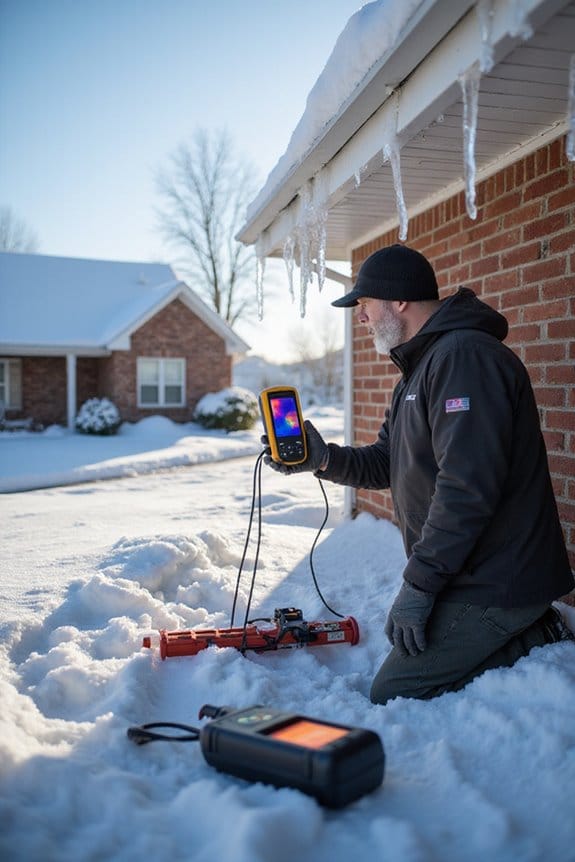
Inspecting a home in snowy or icy conditions presents its own set of challenges, quite different from the advantages of a rainy day assessment. Here are some key issues I often face:
- Snow Accumulation: It hides shingles and flashing, making it tough to assess roof conditions.
- Ice Dams: These pesky formations can cause serious damage, especially if they go unnoticed.
- Visibility Obstruction: Limited daylight and snow cover make spotting issues a real challenge.
- Inspection Hazards: Slipping on icy surfaces is a concern, especially on roofs and walkways.
In short, winter inspections can feel like a game of hide-and-seek with potential problems. You never know what you might miss until the snow melts!
Recommended Products

The original USA-made Snow Roof Rake
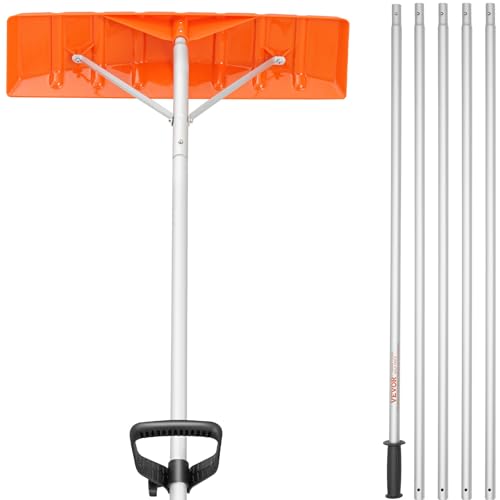
Efficient Snow Removal: VEVOR 25" large blade of the snow roof rake allows for faster roof snow removal, especially in cases of extensive snow coverage. It can clear more snow in a single pass, reducing scraping frequency and lowering your workload. No more worrying about snow piling up during winter.
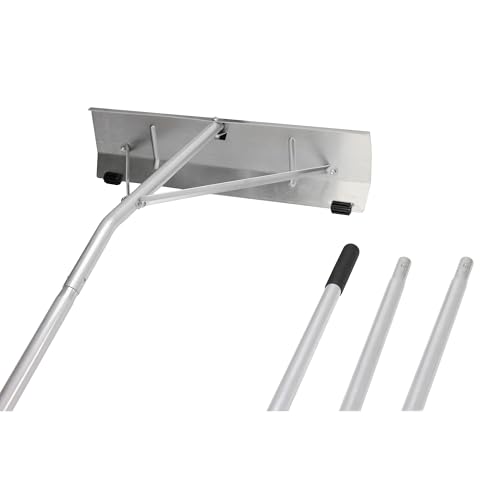
Angled blade offers more use in less space and is effective on low pitched roofs and two-story houses
Impact of Extreme Heat on Inspection Processes
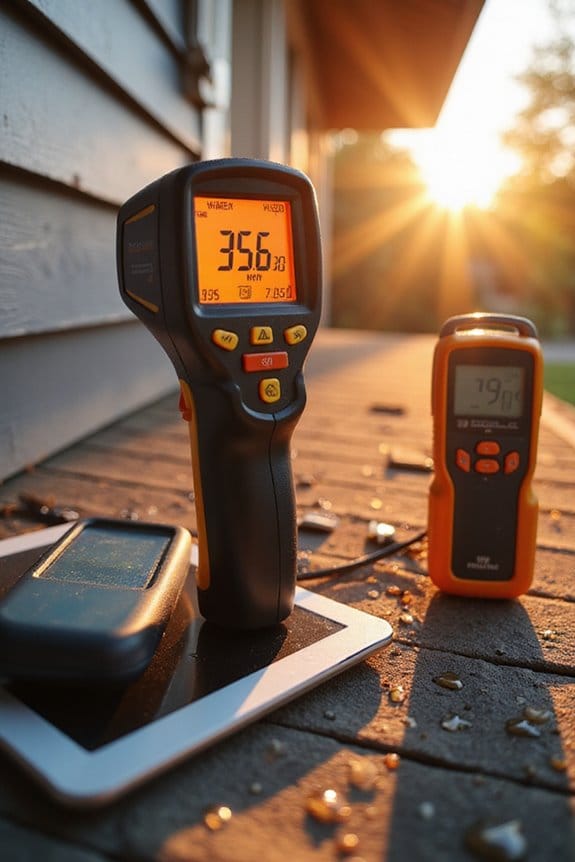
Extreme heat can really throw a wrench into the home inspection process, making it quite the challenge. Here are a few ways it impacts inspections:
- Heat-Induced Defects: High temperatures can cause materials to expand, hiding structural issues. I’ve seen roofs warp and paint crack under the sun’s intensity.
- HVAC Performance: Inspecting HVAC systems during extreme heat reveals efficiency problems. If your air conditioning is struggling, it’s a sign something’s not right.
- Inspector Fatigue: Working in the heat can wear us out quickly. We often have to rush through external checks, risking missed defects.
Recommended Products
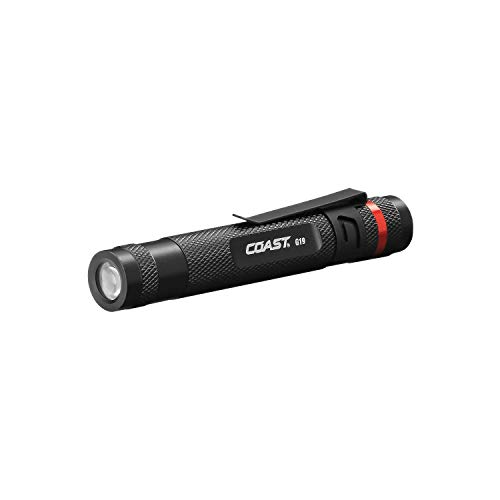
INSPECTION BEAM: Clear and consistent edge-to-edge brightness capable of illuminating a defined area up to 9 meters (30 feet).

Pocket Size: Weight only 29g, makes this small pocket bright flashlights can be easily put into your pocket or bag, convenient to take around.

Inspection Beam: Clear And Consistent Edge-To-Edge Brightness Capable Of Illuminating A Defined Area Up To 9 Meters (30 Feet)
Safety Precautions for Inspectors in Adverse Weather
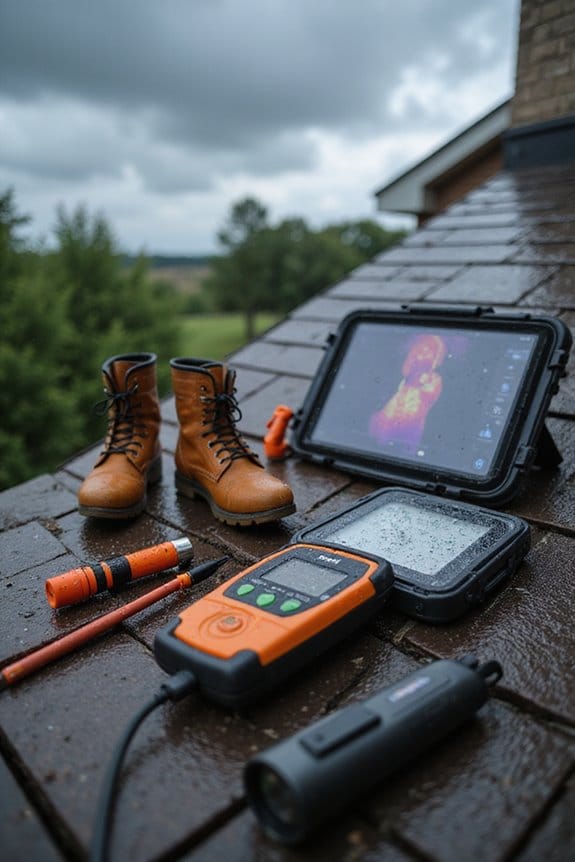
Despite the challenges posed by adverse weather, ensuring safety during home inspections is paramount. Here are some key safety precautions I always follow:
- Wear proper safety gear: Invest in waterproof, breathable outerwear and shoes with good traction. Slips can happen quickly!
- Follow weather protocols: If lightning strikes, postpone exterior inspections. It’s just not worth the risk.
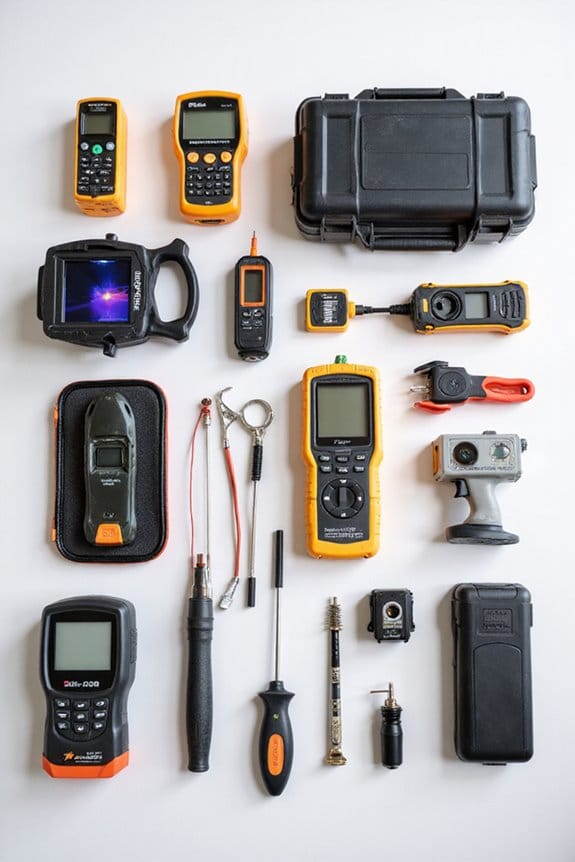
- Use tools wisely: Carry moisture meters and thermal imagers to detect issues from a safe distance.
- Take breaks: Regularly step indoors to avoid fatigue and monitor for signs of hypothermia.
- Stay informed: Document weather effects in your reports. It’s not just good practice; it’s essential for transparency! Additionally, consider using water leak detectors to identify potential issues before they escalate during adverse weather conditions.
Recommended Products

Wood Moisture tester: Detects moisture in walls, wood & masonry with a maximum sensing depth of 0.75 inches. User-friendly for contractors and homeowners, perfect for home inspections and damp testing.

WATER LEAK DETECTOR detects relative moisture content from leaks and flooding
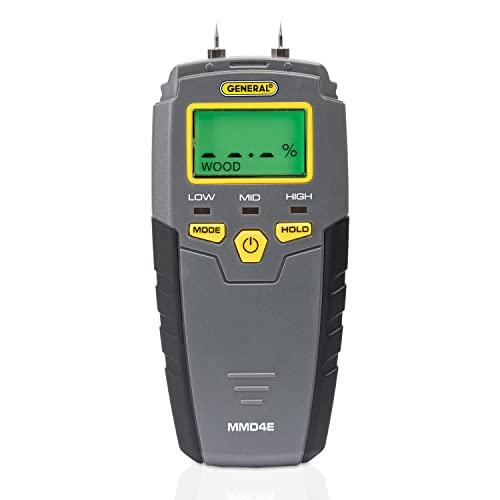
HUMIDITY SENSOR: Our handy meter tool can quickly determine what level of remediation is needed to keep your family safe from black mold. High levels of dampness that go untreated are the leading cause of harmful fungus growth in the home.
How Weather Affects Inspection Duration and Completeness
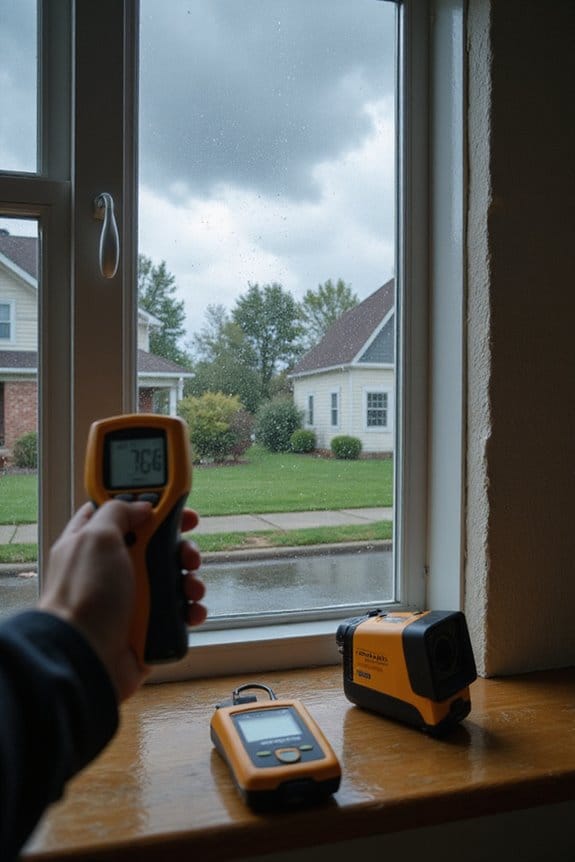
When weather takes a turn for the worse, it can really shake up the home inspection process. Here’s how different conditions can affect inspection duration and completeness:
- Rain: It enhances detection of leaks but makes surfaces slippery, slowing down the process. I often adapt my inspection strategies to focus more on interiors, like basements, which can take extra time.
- Snow and Ice: They limit access and visibility. I sometimes have to delay exterior inspections until conditions improve, focusing on interiors first.
- Heat: Extreme temperatures can warp materials, making defects harder to spot. I tend to shorten exterior checks to avoid heat exhaustion.
- Wind: High winds complicate ladder access, requiring more cautious movements, which can extend inspection time.
Weather adaptations are key to ensuring a thorough inspection, even when conditions aren’t ideal!
Recommended Products

Reduced Wobble: After repeated tests, we added two new triangle stabilizers on the telescopic ladder, which can reduce the shaking amplitude from 30° to 10° and effectively improve the stability by 36% compared with the same product.

【Safe and Reliable Ladder Stabilizer】Our ladder stabilizer significantly enhances stability and safety during extension work, providing reliable support for obstacles like windows and gutters to prevent swaying. Adjustable U-bolt make it suitable for most ladders.

Premium Grade Performance: Protect gutters, siding, roof, paint finishes, and you with 19 inches of safe work area; This ladder standoff stabilizer prevents damage while increasing stability and ladder security
Regional Considerations for Home Inspections in Bad Weather
While weather conditions can vary dramatically across regions, understanding these differences is essential for effective home inspections. Here are some regional considerations to keep in mind:
- Rainy Areas: Expect to find active leaks during storms. Use regional inspection techniques to spot moisture issues, but be cautious of slippery surfaces. Additionally, utilizing a concrete moisture meter can help ensure accurate readings of moisture levels in structures.
- Cold Climates: Snow can hide roof damage. Inspect for insulation effectiveness and potential freezing pipes, but be wary of ice hazards.
- Windy Zones: High winds can force rescheduling. Focus on exterior durability and be mindful of recent storm damage.
- Hot Regions: Heat can tire you out. Schedule inspections early or late in the day to avoid the sun’s full blast.
Frequently Asked Questions
Can Inspections Be Rescheduled Due to Severe Weather Warnings?
I believe in rescheduling protocols due to severe weather warnings. Safety considerations for both inspectors and homeowners are essential, ensuring thorough inspections without risking anyone’s well-being. Let’s prioritize safety over rushing into inspections.
How Do Inspectors Assess Homes After Heavy Storms?
Did you know that nearly 30% of homes suffer storm damage? During inspections, I face challenges like evaluating hidden leaks and structural integrity, documenting everything carefully to guarantee homeowners can navigate repairs and insurance claims effectively.
What Equipment Do Inspectors Use in Bad Weather?
When inspecting in bad weather, I rely on thermal imaging cameras and moisture meters to detect hidden issues. These tools help me guarantee thorough assessments, even when conditions are challenging and visibility is poor.
Are There Additional Costs for Inspections Done in Bad Weather?
Yes, there’re often additional fees for inspections in bad weather due to safety gear and extra equipment needed. I always consider weather conditions, as they can impact the inspection process and overall costs considerably.
How Do Weather Conditions Affect the Inspector’s Liability?
When it rains, it pours—especially for inspectors. Weather impacts my responsibility; I can’t be liable for defects hidden by conditions. Detailed documentation is essential to clarify what I could inspect and what I couldn’t.